Introduction
The chikungunya virus is a mosquito-borne illness that affects people in many parts of the world, especially in tropical and subtropical regions. Although it is not always life-threatening, the virus can cause strong symptoms that affect daily life for weeks or even months.
Many people hear the name but do not fully understand what chikungunya is, how it spreads, or how it affects the body. Learning about the chikungunya virus helps people protect themselves and recognize symptoms early.
What Is the Chikungunya Virus
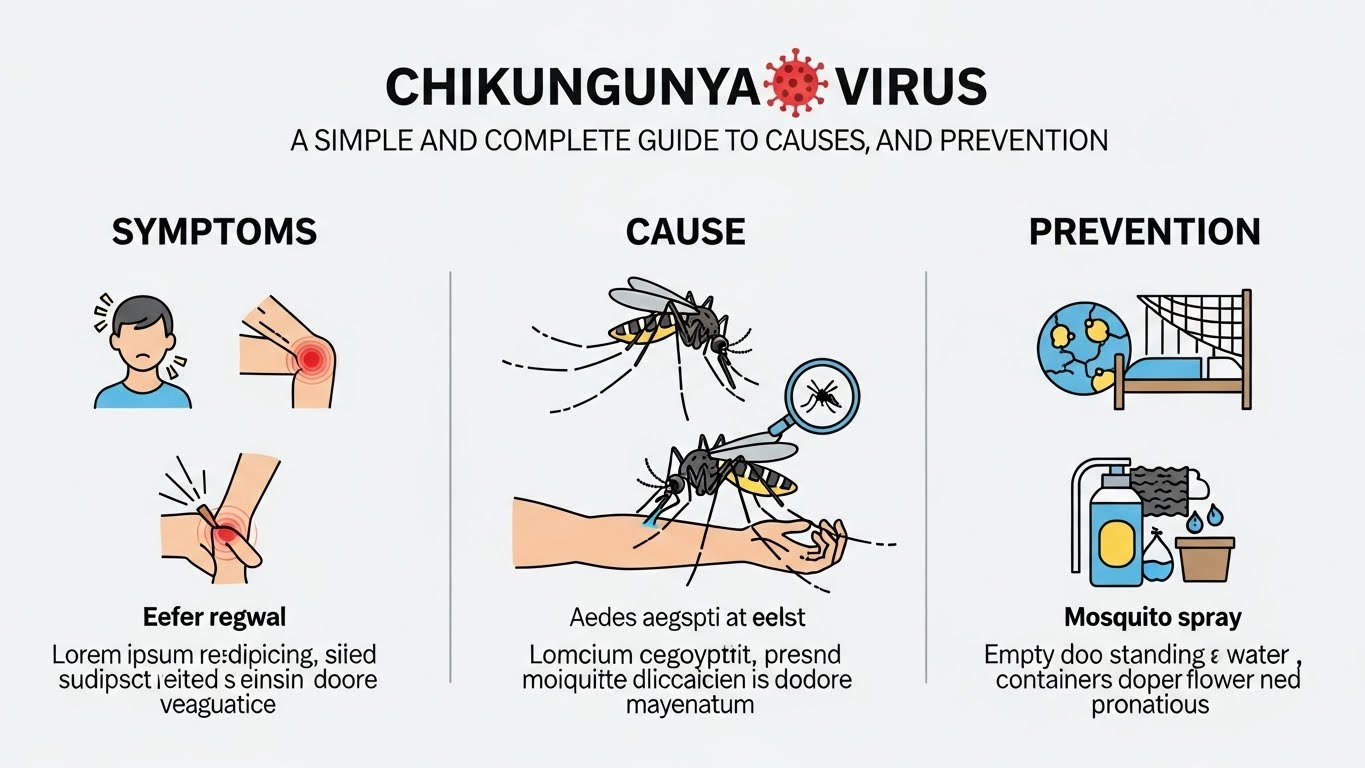
The chikungunya virus is a virus transmitted mainly by infected mosquitoes. Once a person is bitten, the virus enters the bloodstream and begins to cause symptoms. The name “chikungunya” comes from a word that means “to bend over,” describing the joint pain that many patients experience. The virus does not spread directly from person to person, but it can move quickly through communities where mosquitoes are common.
History and Origin of Chikungunya
The chikungunya virus was first identified in Africa in the mid-20th century. Over time, it spread to Asia, Europe, and the Americas due to global travel and climate changes that allow mosquitoes to survive in more places. Large outbreaks have occurred in different countries, often overwhelming healthcare systems. Understanding its history helps explain why chikungunya is now considered a global health concern.
How the Chikungunya Virus Spreads
The chikungunya virus spreads through the bite of infected mosquitoes, mainly Aedes mosquitoes. These mosquitoes are most active during daylight hours, especially in the early morning and late afternoon. When a mosquito bites an infected person and then bites another person, the virus is passed on. Standing water, warm weather, and crowded living conditions increase the risk of spread.
Types of Mosquitoes That Carry Chikungunya
Two main mosquito species spread the chikungunya virus. These mosquitoes often live near homes and breed in small pools of water such as buckets, flower pots, and containers. They are aggressive biters and adapt easily to urban environments. This makes chikungunya harder to control in cities and towns.
Early Symptoms of the Chikungunya Virus
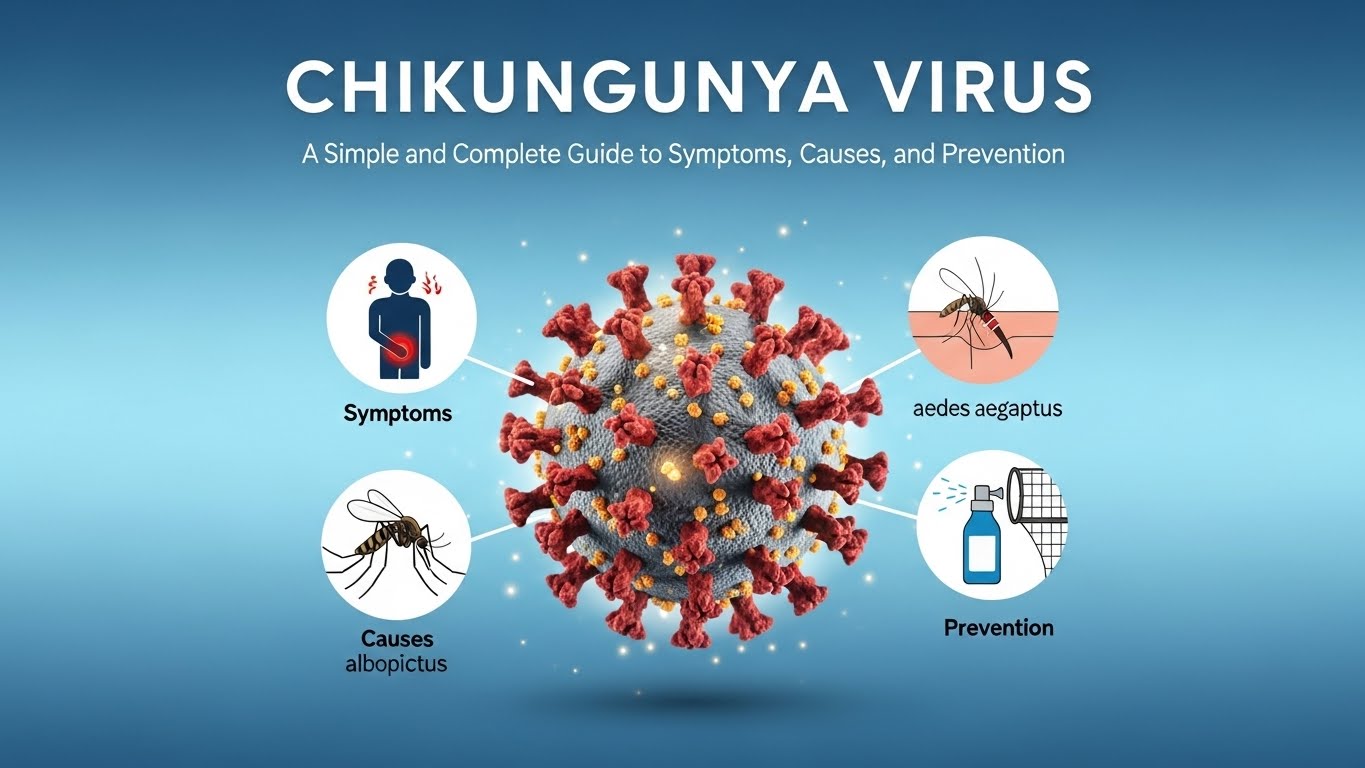
Symptoms of the chikungunya virus usually appear within a few days after a mosquito bite. Common early signs include sudden fever, joint pain, headache, muscle pain, and fatigue. The joint pain can be intense and may limit movement. Some people also experience swelling and stiffness in their joints, making simple tasks difficult.
Long-Term Effects on the Body
For some people, the chikungunya virus does not end with the fever. Joint pain can last for weeks or even months, especially in older adults. This long-lasting discomfort can affect work, sleep, and daily activities. While most people recover fully, the prolonged pain is one of the most challenging aspects of chikungunya.
Chikungunya Virus in Children and Elderly People
Children infected with the chikungunya virus may show milder symptoms, but they still require careful monitoring. Older adults, however, are more likely to experience severe joint pain and longer recovery times. People with existing health conditions may also face more complications, making prevention especially important for these groups.
How Chikungunya Is Diagnosed
Doctors diagnose the chikungunya virus based on symptoms, travel history, and laboratory tests. Blood tests can confirm the presence of the virus or antibodies. Early diagnosis helps rule out other mosquito-borne illnesses and ensures proper care. There is no need for panic, but medical guidance is important when symptoms appear.
Treatment Options for Chikungunya Virus
There is currently no specific cure for the chikungunya virus, but treatment focuses on relieving symptoms. Rest, fluids, and pain relief medications are commonly recommended. Doctors avoid certain medications until other illnesses are ruled out. With proper care, most people recover gradually.
Recovery Process and Healing Time
Recovery from the chikungunya virus varies from person to person. Some people feel better within days, while others experience joint pain for months. Gentle movement, rest, and patience are important during recovery. Over time, the body clears the virus naturally.
Prevention and Mosquito Control
Preventing the chikungunya virus mainly involves avoiding mosquito bites. Using mosquito repellents, wearing long sleeves, and keeping windows screened can reduce risk. Eliminating standing water around homes is one of the most effective prevention methods. Community efforts play a key role in reducing mosquito populations.
Travel and Chikungunya Risk
Travelers to areas where the chikungunya virus is present should take extra precautions. Awareness of local outbreaks and protective measures can lower the risk of infection. Travel does not need to stop, but preparation and prevention are essential.
Differences Between Chikungunya and Other Mosquito Viruses
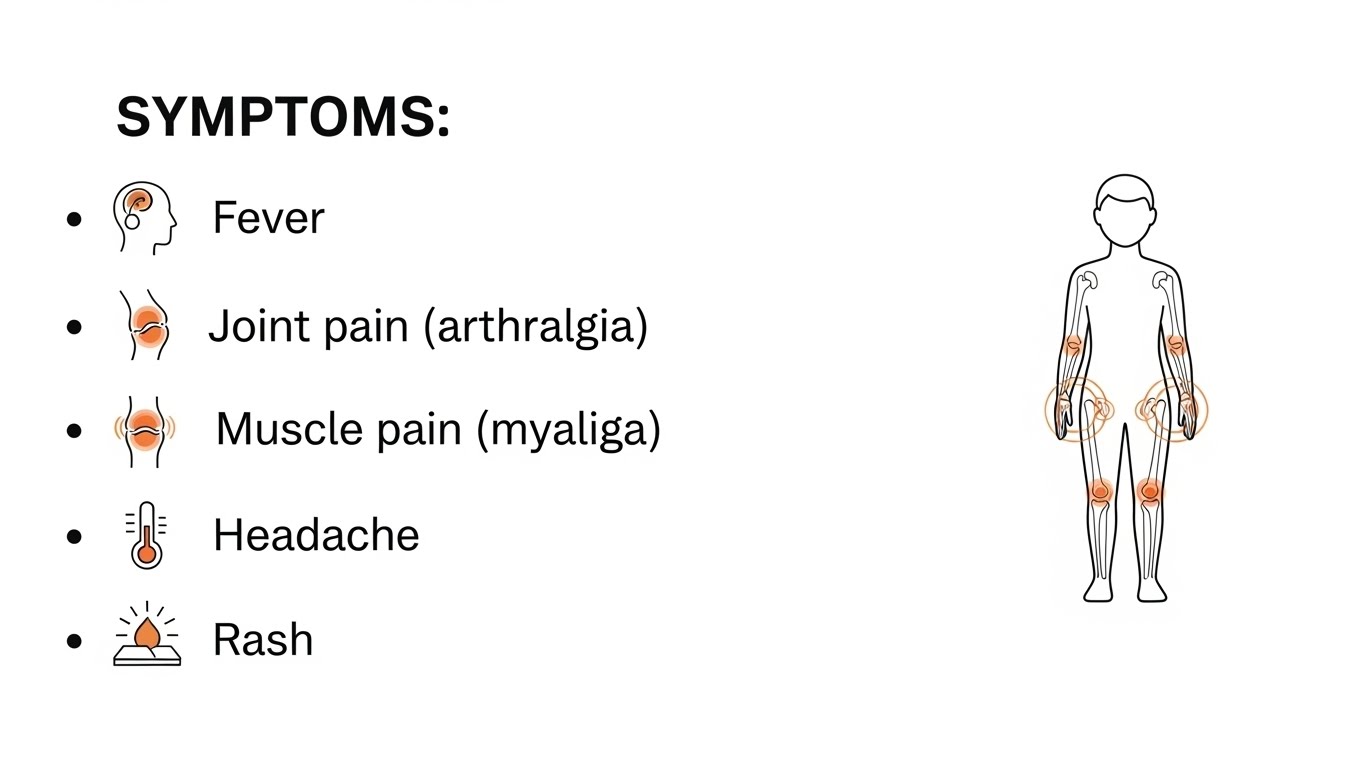
The chikungunya virus is often confused with other mosquito-borne illnesses because of similar symptoms. However, chikungunya is known for its intense joint pain. Understanding the differences helps people seek appropriate medical care and avoid unnecessary worry.
Public Health and Community Awareness
Public awareness is vital in controlling the chikungunya virus. Education about mosquito control, early symptoms, and prevention helps reduce outbreaks. When communities work together, the spread of the virus can be significantly limited.
The Role of Climate and Environment
Climate change affects the spread of the chikungunya virus by expanding mosquito habitats. Warmer temperatures and increased rainfall create ideal breeding conditions. Environmental awareness and planning are important for long-term prevention.
Research and Future Outlook
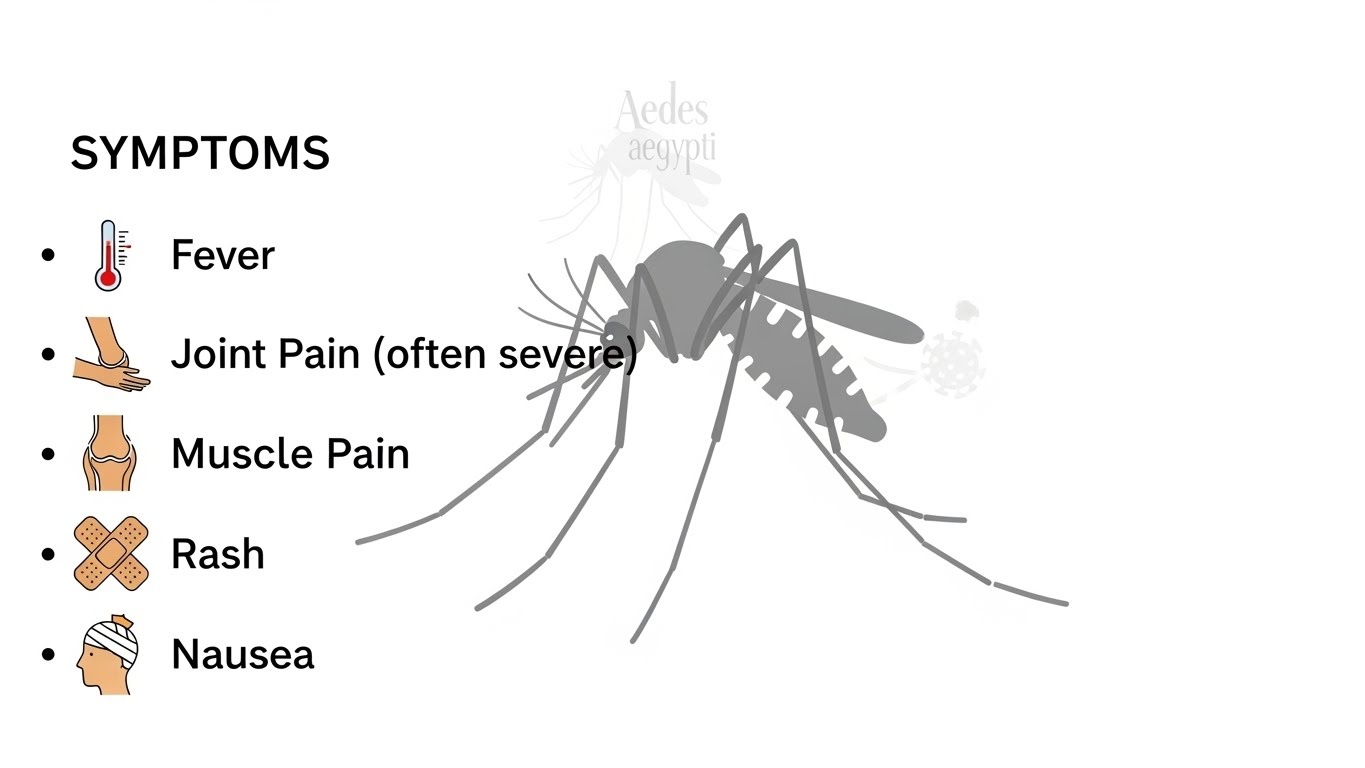
Scientists continue to study the chikungunya virus to better understand it and develop vaccines. Research has improved detection and care, and future advancements may offer stronger protection. Continued effort gives hope for better control in the coming years.
Living Safely in Areas with Chikungunya
Living in regions affected by the chikungunya virus does not mean constant fear. Simple habits, awareness, and prevention steps make a big difference. Staying informed allows people to live confidently while reducing risk.