Introduction
Cataract surgery is one of the most common and successful medical procedures worldwide. It helps people regain clear vision when cloudy eyesight begins to affect daily life. Millions of people choose cataract surgery every year to see better, feel more confident, and enjoy normal activities again. This detailed guide explains cataract surgery in simple words so anyone can understand it easily.
What Is Cataract Surgery?
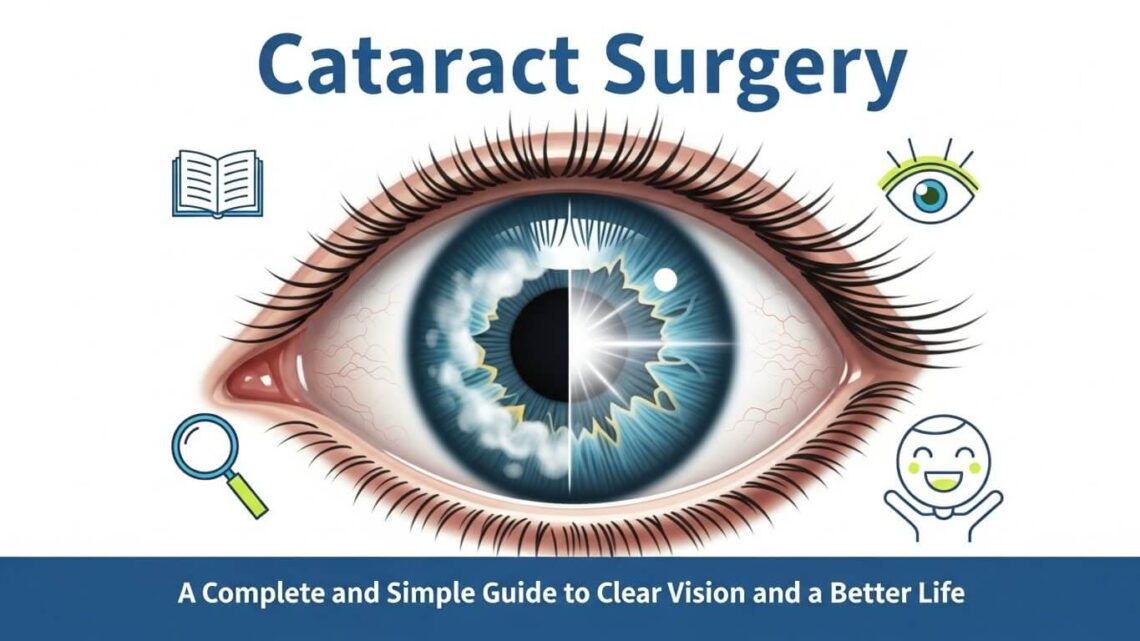
Cataract surgery is a medical procedure that involves removing a cloudy lens from the eye and replacing it with a clear artificial lens. A cataract forms when the natural lens of the eye becomes cloudy, causing blurry or dull vision. Cataract surgery restores clear vision by replacing the damaged lens with a new one that allows light to pass through properly.
This surgery is safe, quick, and performed by trained eye specialists using modern technology.
Understanding Cataracts and Vision Loss
Cataracts develop slowly over time and often go unnoticed in the early stages. As the cataract grows, vision becomes blurred, colors look faded, and bright lights may cause glare. Reading, driving, and recognizing faces can become difficult.
Cataract surgery becomes necessary when vision problems start interfering with everyday life and comfort.
Why Cataract Surgery Is So Common
Cataract surgery is common because cataracts are a natural part of aging. Most people develop cataracts as they grow older, especially after the age of 60. Improved healthcare access and longer life expectancy have also increased the number of cataract surgeries performed worldwide.
Thanks to medical advances, cataract surgery now has a very high success rate and quick recovery time.
Signs That You May Need Cataract Surgery
Some common signs that indicate the need for cataract surgery include blurry vision, difficulty seeing at night, sensitivity to light, frequent changes in eyeglass prescription, and seeing halos around lights.
An eye doctor can confirm whether cataract surgery is the right solution after a detailed eye examination.
When Do Doctors Recommend Cataract Surgery?
Doctors usually recommend cataract surgery when vision loss begins to affect daily tasks such as reading, driving, watching television, or working. Cataract surgery is not an emergency in most cases, but delaying it too long may worsen vision problems.
The decision is always based on the patient’s comfort, lifestyle, and visual needs.
Types of Cataract Surgery

There are different types of cataract surgery, but all aim to remove the cloudy lens and restore clear vision. The most common method is modern and minimally invasive.
Phacoemulsification Cataract Surgery
Phacoemulsification is the most widely used cataract surgery technique. It uses ultrasound waves to break the cloudy lens into small pieces, which are then removed. A clear artificial lens is placed in the eye afterward.
This type of cataract surgery is quick, safe, and requires only a small incision.
Laser-Assisted Cataract Surgery
Laser-assisted cataract surgery uses advanced laser technology to improve precision. The laser helps make tiny incisions and soften the cataract before removal. This approach may offer improved accuracy for certain patients.
Doctors recommend laser-assisted cataract surgery based on eye condition and medical history.
Preparing for Cataract Surgery
Preparation for cataract surgery is simple and stress-free. Before surgery, the doctor measures the eye to select the correct artificial lens. Patients may be asked to stop certain medications temporarily.
On the day of cataract surgery, patients should arrange transportation, as they cannot drive immediately after the procedure.
What Happens During Cataract Surgery?
Cataract surgery is usually done as an outpatient procedure and takes about 15 to 30 minutes. The eye is numbed with local anesthesia, so the patient feels no pain. The cloudy lens is removed, and a clear artificial lens is placed in the eye.
Patients remain awake but relaxed during cataract surgery.
Is Cataract Surgery Painful?

Cataract surgery is generally painless. Most patients feel only mild pressure or slight discomfort during the procedure. After surgery, some irritation or itching is normal but usually goes away within a few days.
Pain after cataract surgery is rare and should be reported to a doctor immediately.
Recovery After Cataract Surgery
Recovery after cataract surgery is usually quick and smooth. Many patients notice improved vision within a few days. Eye drops are prescribed to prevent infection and reduce inflammation.
Full recovery may take a few weeks, but most people return to normal activities shortly after cataract surgery.
Vision Improvement After Cataract Surgery
Cataract surgery often results in clearer, brighter vision. Colors appear more vivid, and everyday activities become easier. Some patients no longer need glasses for distance vision, depending on the type of artificial lens used.
The improvement in vision significantly enhances quality of life after cataract surgery.
Possible Risks and Complications of Cataract Surgery
Although cataract surgery is very safe, there are small risks involved. These may include infection, swelling, or inflammation. Serious complications are rare and usually treatable when detected early.
Following doctor instructions carefully reduces the risk of complications after cataract surgery.
How Long Does Cataract Surgery Last?
Cataract surgery provides permanent results. The artificial lens does not wear out or become cloudy. In some cases, patients may develop a condition called secondary cataract, which can be easily treated with a simple laser procedure.
The long-term success of cataract surgery is one of its greatest advantages.
Cataract Surgery for Both Eyes

If both eyes have cataracts, surgery is usually performed one eye at a time. This allows the first eye to heal before operating on the second eye. The gap between surgeries is often a few weeks.
This approach ensures safety and proper recovery from cataract surgery.
Cataract Surgery and Aging
Cataract surgery helps older adults maintain independence and confidence. Improved vision reduces the risk of falls and accidents and enhances social interaction.
Many seniors report feeling younger and more active after cataract surgery.
Cost and Insurance Coverage for Cataract Surgery
The cost of cataract surgery depends on location, lens type, and medical facility. In many countries, basic cataract surgery is covered by health insurance or government healthcare programs.
Patients should discuss costs and coverage options with their eye care provider before surgery.
Choosing the Right Doctor for Cataract Surgery

Choosing an experienced eye surgeon is essential for successful cataract surgery. Patients should look for qualified specialists with a strong track record.
A good doctor explains the procedure clearly and provides guidance throughout the cataract surgery journey.
Life After Cataract Surgery
Life after cataract surgery is often brighter and clearer. Patients enjoy improved vision, greater independence, and renewed confidence. Simple pleasures like reading, driving, and seeing loved ones become enjoyable again.
Cataract surgery truly transforms lives.
The Future of Cataract Surgery
Advancements in technology continue to improve cataract surgery outcomes. New lens designs and surgical tools are making the procedure even safer and more precise.
The future of cataract surgery promises even better vision solutions for patients worldwide.