Introduction
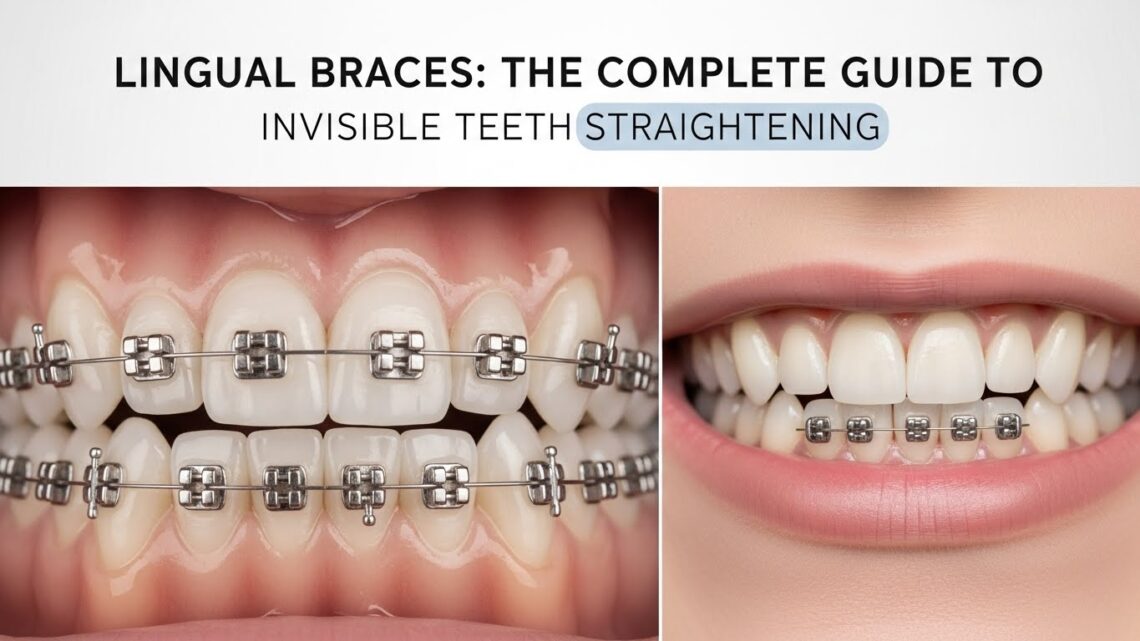
Lingual braces are a modern orthodontic solution designed for people who want to straighten their teeth without showing traditional braces. Unlike regular braces that are attached to the front of the teeth, lingual braces are placed on the back side, facing the tongue. This makes them nearly invisible when you smile or talk. Many people choose lingual braces because they combine effective teeth straightening with a discreet appearance, making them popular among teens and adults alike.
What Are Lingual Braces?
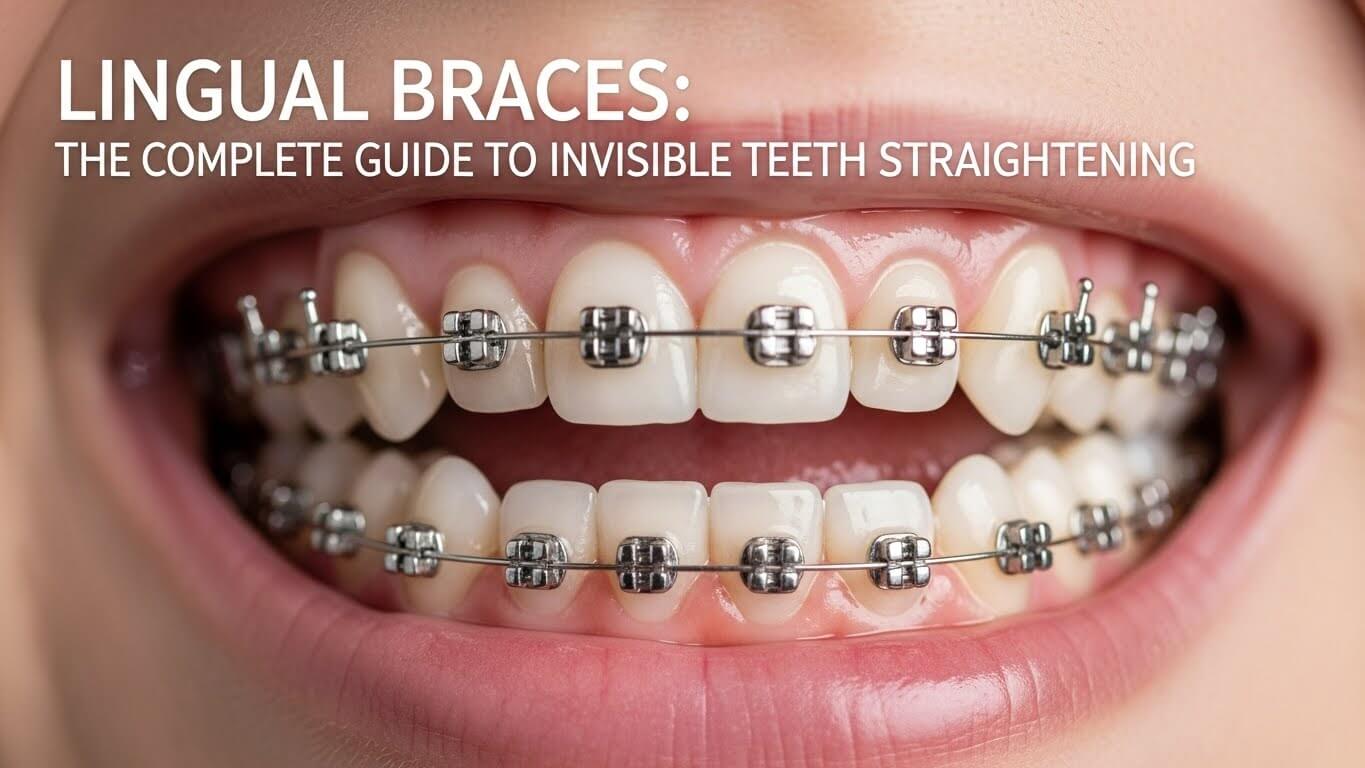
Lingual braces are fixed orthodontic appliances that work just like traditional metal braces, but with one major difference: their placement. Instead of being attached to the outer surface of the teeth, they are bonded to the inner surface. This hidden position allows patients to improve their smile without drawing attention to the treatment. Lingual braces are custom-made to fit the shape of each tooth, which helps them work efficiently and comfortably.
How Lingual Braces Work
Lingual braces use brackets, wires, and gentle pressure to move teeth into the correct position over time. Once the braces are attached behind the teeth, the orthodontist adjusts the wire periodically. These small adjustments slowly guide the teeth into alignment. Because they work behind the scenes, lingual braces provide the same results as traditional braces while remaining out of sight.
Why Lingual Braces Are Becoming Popular
Lingual braces have gained popularity because people today care deeply about appearance and confidence. Many patients want straight teeth but do not want visible braces. Lingual braces offer a solution that fits professional, social, and personal lifestyles. As technology has improved, these braces have become more comfortable and effective, increasing their appeal.
Lingual Braces vs Traditional Braces
Traditional braces are attached to the front of the teeth and are easy to adjust and maintain. Lingual braces, on the other hand, are hidden and offer a cosmetic advantage. While both types straighten teeth effectively, lingual braces require more precision and customization. Some people may experience a longer adjustment period with lingual braces, but many feel the discreet look is worth it.
Lingual Braces vs Clear Aligners
Clear aligners are removable and nearly invisible, but they may not work well for complex orthodontic problems. Lingual braces are fixed and can treat more severe alignment issues. While aligners require discipline to wear consistently, lingual braces work continuously without patient effort. This makes lingual braces a strong option for those who want invisible yet powerful treatment.
Benefits of Lingual Braces
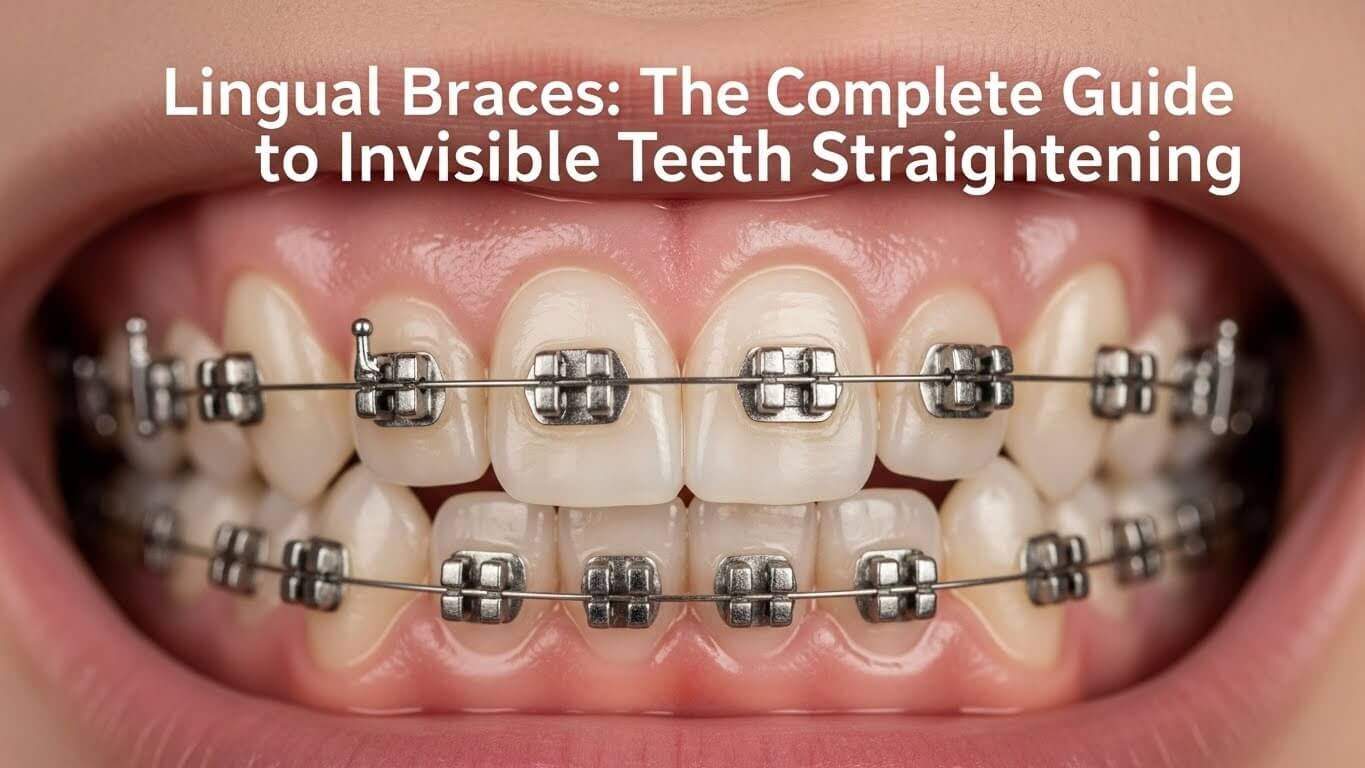
One of the biggest benefits of lingual braces is that they are hidden. This allows patients to smile confidently throughout treatment. Lingual braces are also custom-made, which helps improve comfort and accuracy. Because they are fixed, there is no risk of forgetting to wear them. They also provide precise control over tooth movement, leading to excellent results.
Challenges of Lingual Braces
While lingual braces offer many advantages, they also come with challenges. The tongue may feel irritated during the first few weeks as it adjusts to the brackets. Speaking may feel slightly different at first, but most people adapt quickly. Lingual braces can also be more difficult to clean, requiring extra care and patience with oral hygiene.
Who Is a Good Candidate for Lingual Braces?
Lingual braces are suitable for teens and adults who want discreet orthodontic treatment. They work well for people with crowded teeth, gaps, or bite issues. However, not everyone is an ideal candidate. People with very small teeth or certain jaw conditions may need other options. A professional evaluation is necessary to determine suitability.
Lingual Braces for Teenagers
Teenagers often feel self-conscious about wearing braces. Lingual braces give them the ability to straighten their teeth without visible metal brackets. This can improve confidence during school and social activities. Since lingual braces are fixed, parents do not have to worry about lost or forgotten appliances.
Lingual Braces for Adults
Adults are one of the largest groups choosing lingual braces. Many adults want orthodontic treatment but prefer to keep it private at work or in social settings. Lingual braces allow adults to improve their smile without affecting their professional appearance. They are especially popular among professionals and public speakers.
The Lingual Braces Treatment Process

The process begins with a consultation and detailed dental impressions or digital scans. These scans help create custom brackets that fit perfectly behind each tooth. Once the braces are placed, regular checkups are scheduled to adjust the wires. Treatment time varies depending on the complexity of the case but typically lasts between one and three years.
Comfort and Adjustment Period
The first few weeks with lingual braces can feel unusual. The tongue may feel sore, and speech may sound slightly different. However, the mouth adapts quickly. Most patients report that discomfort decreases significantly after the adjustment period. Using orthodontic wax and following care instructions can help ease the transition.
Eating with Lingual Braces
Eating with lingual braces requires some care. Sticky, hard, or crunchy foods should be avoided to prevent damage. Soft foods are recommended at the beginning of treatment. Over time, most patients return to a normal diet with a few adjustments. Proper chewing habits help protect the braces and teeth.
Cleaning and Caring for Lingual Braces

Good oral hygiene is very important with lingual braces. Since they are placed behind the teeth, cleaning can be more challenging. Special toothbrushes, floss threaders, and water flossers can help. Brushing after every meal and regular dental visits help prevent cavities and gum problems during treatment.
How Long Do Lingual Braces Take?
The treatment time for lingual braces depends on the individual case. Mild alignment issues may take less time, while complex cases may take longer. On average, treatment lasts between 18 and 36 months. Following orthodontist instructions closely can help achieve the best results efficiently.
Cost of Lingual Braces
Lingual braces are often more expensive than traditional braces because they are custom-made and require specialized training. The cost reflects the advanced technology and precision involved. Many clinics offer payment plans to make treatment more affordable. While the price may be higher, many patients feel the invisible benefit is worth it.
Long-Term Results of Lingual Braces

Lingual braces offer long-lasting results when followed by proper retention. After treatment, patients usually wear a retainer to keep their teeth in their new position. With good oral care and regular checkups, the results can last a lifetime. A straight smile also improves oral health and confidence.
Final Thoughts
Lingual braces are an excellent option for people who want to straighten their teeth without drawing attention to their orthodontic treatment. By sitting behind the teeth, they offer the same effectiveness as traditional braces while keeping your smile looking natural throughout the process.
Although they may take a short time to adjust to, the long-term benefits in appearance, confidence, and dental health make them a worthwhile choice. With proper care and guidance from an experienced orthodontist, lingual braces can deliver lasting, beautiful results while fitting smoothly into daily life.