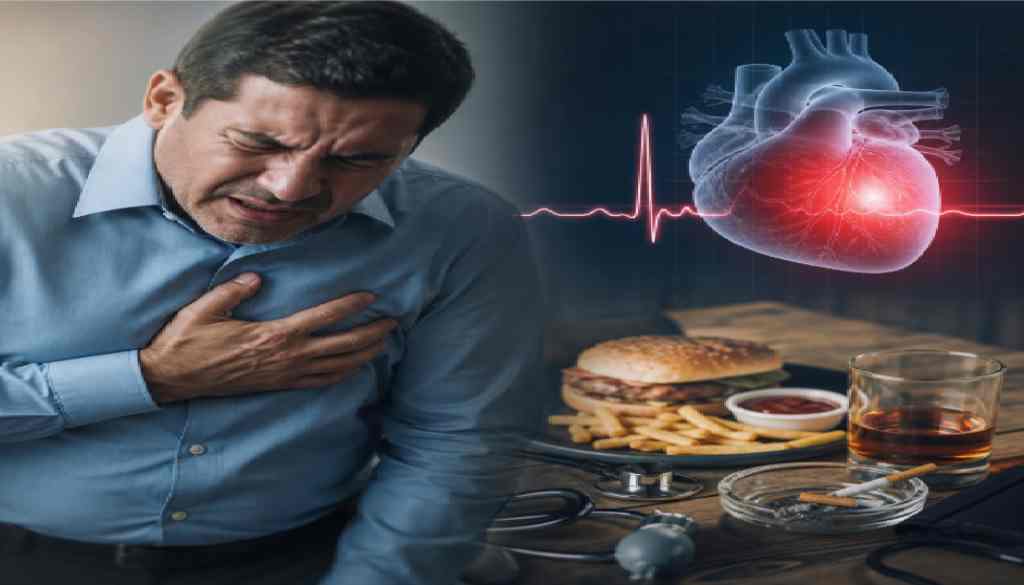
Cardiac arrest is one of the most feared medical emergencies in the world — and for good reason. It strikes suddenly, often without warning, and can claim a life within minutes if not treated immediately. Yet despite its reputation as a condition that appears “out of nowhere,” cardiac arrest almost always has an underlying cause. Understanding those causes is not just an academic exercise; it is a matter of survival. Whether you are a patient managing a chronic heart condition, a caregiver, or simply someone who wants to protect their long-term health, knowing what drives cardiac arrest can be the difference between life and death.
The Heart’s Electrical System: When Rhythm Goes Wrong
The most common cause of cardiac arrest is a disruption in the heart’s electrical system, specifically a dangerous arrhythmia known as ventricular fibrillation. Under normal circumstances, the heart beats in a coordinated rhythm controlled by electrical impulses that travel through specialized pathways. When these pathways malfunction, the heart can begin to quiver chaotically rather than pump blood effectively. This loss of coordinated contraction means that blood stops circulating to the brain, lungs, and other vital organs almost instantly.
Ventricular tachycardia — an abnormally fast heart rhythm originating in the lower chambers — is another electrical culprit. In some cases, it degenerates rapidly into ventricular fibrillation. Other arrhythmias, such as complete heart block, can also lead to cardiac arrest by causing the heart to beat too slowly or stop altogether. These electrical disturbances are not random; they are typically rooted in structural damage, inherited abnormalities, or external triggers that destabilize the heart’s conduction system.
Structural Heart Disease: The Silent Foundation
Behind many cases of cardiac arrest lies structural heart disease — physical changes to the heart muscle, valves, or arteries that compromise its ability to function safely. Coronary artery disease is the most prevalent structural cause. When fatty plaques build up inside the coronary arteries, they restrict blood flow to the heart muscle. If a plaque ruptures and a clot forms, a heart attack can occur. A heart attack does not always cause immediate cardiac arrest, but the resulting damage to heart tissue creates electrical instability that dramatically raises the risk of a fatal arrhythmia in the hours, days, and even years that follow.
Cardiomyopathy — a disease of the heart muscle itself — is another major structural contributor. Dilated cardiomyopathy weakens and enlarges the heart, while hypertrophic cardiomyopathy causes abnormal thickening of the heart walls. Both conditions disrupt normal electrical conduction and increase the likelihood of life-threatening arrhythmias. Heart valve abnormalities, particularly severe aortic stenosis, can also place such extreme mechanical stress on the heart that cardiac arrest becomes a real and present danger.
Congenital and Inherited Conditions
Not all cardiac arrest risk is acquired over a lifetime. A significant proportion of cases — particularly among young people and athletes — stem from inherited or congenital conditions that may go undetected for years. Long QT syndrome, Brugada syndrome, and Wolff-Parkinson-White syndrome are all genetic conditions that affect the heart’s electrical channels and can trigger sudden cardiac arrest, sometimes during physical exertion or even during sleep. Hypertrophic cardiomyopathy, mentioned above, also has a strong hereditary component and is one of the leading causes of sudden cardiac death in young athletes.
Family history is therefore a critical piece of the diagnostic puzzle. If a close relative has experienced sudden cardiac death at a young age, a thorough cardiac evaluation — including genetic screening — is strongly advisable. Modern diagnostic technology in clinical and laboratory settings has made it increasingly possible to identify these inherited risks before a catastrophic event occurs, giving patients and physicians the opportunity to intervene proactively.
External Triggers: When a Healthy Heart Is Pushed Too Far
Even a structurally normal heart can be driven into cardiac arrest under the right — or rather, the wrong — circumstances. Drug toxicity is one such trigger. Certain medications, including some antiarrhythmic drugs, antidepressants, and antibiotics, can prolong the QT interval and predispose the heart to dangerous rhythms. Illicit substances such as cocaine and methamphetamine place enormous stress on the cardiovascular system and are a well-documented cause of cardiac arrest in otherwise healthy individuals.
Severe electrolyte imbalances — particularly involving potassium, magnesium, and calcium — can destabilize the heart’s electrical environment. These imbalances may result from extreme dehydration, eating disorders, kidney disease, or aggressive diuretic use. Hypothermia, severe trauma, and respiratory failure can also precipitate cardiac arrest by depriving the heart of oxygen or disrupting its chemical balance. In rare but documented cases, a sharp blow to the chest — a phenomenon called commotio cordis — can trigger ventricular fibrillation in young athletes, even without any underlying heart disease.
Understanding the Full Picture of Cardiac Arrest Causes
Cardiac arrest causes span a wide spectrum — from chronic coronary artery disease and inherited electrical disorders to acute triggers like drug toxicity and electrolyte disturbances. Recognizing this complexity is essential for both prevention and treatment. A single event may involve multiple overlapping factors: a patient with mild cardiomyopathy who experiences a sudden electrolyte imbalance during intense exercise, for example, faces a compounded risk that neither factor alone might have produced.
The Role of Medical Research in Advancing Our Understanding
The scientific community continues to deepen its understanding of why cardiac arrest occurs and how it can be prevented. Advances in genomics, imaging technology, and data analytics are enabling researchers to identify at-risk individuals with greater precision than ever before. Institutions dedicated to medical information research are playing a pivotal role in this effort. Penn Medicine’s research institute on medical information represents the kind of forward-thinking investment in knowledge infrastructure that is essential for translating scientific discovery into clinical practice and ultimately saving lives.
Cleveland Clinic Abu Dhabi: A Resource for Heart Health Education
For patients and families seeking reliable, clinically grounded information about heart conditions, Cleveland Clinic Abu Dhabi offers a comprehensive health library that covers cardiac arrest and a wide range of cardiovascular topics. As one of the region’s most respected medical institutions, Cleveland Clinic Abu Dhabi combines world-class clinical expertise with a commitment to patient education. Their resources are designed to help individuals understand complex medical conditions in clear, accessible language — empowering people to make informed decisions about their health and to recognize warning signs before a crisis occurs.
Conclusion: Knowledge Is the First Line of Defense
Cardiac arrest is not an inevitability, and it is rarely as random as it seems. Behind almost every case lies a traceable cause — whether it is a decades-long buildup of coronary plaque, a genetic mutation inherited at birth, or an acute physiological disruption that overwhelmed an otherwise resilient heart. By understanding these causes, individuals can take meaningful steps to reduce their risk: managing chronic conditions, pursuing genetic screening when family history warrants it, avoiding known triggers, and ensuring that those around them know how to respond in an emergency. In the fight against sudden cardiac death, awareness is not just helpful — it is lifesaving.