A lot of modern medicine happens long before a patient sit in front of a doctor. There are clinical trials, laboratory tests, sample analysis, data collection, research teams, and plenty of work that most people never really see. All of these pieces’ matter. If something goes wrong somewhere in that process, even a small error can affect the information used later.
Technology has become a big part of this work. Not because every medical problem needs a new piece of software or a machine, but because some parts of healthcare involve a huge amount of repetitive work. Technology can take some of that pressure away and make certain processes easier to manage.
Technology Is Changing Clinical Trials
Clinical trials are a good example. A clinical study can involve hundreds or even thousands of pieces of information. Patient details, test results, appointments, observations, medication records, follow-ups. Keeping all of that organised manually would be slow and would leave plenty of room for mistakes.
Electronic data capture systems have changed this considerably. Instead of depending entirely on paper forms, research teams can enter and manage study information digitally. Data can be reviewed more easily, records can be organised in one place, and some of the delays caused by manual paperwork can be reduced.
There is also more flexibility around where some parts of a clinical trial take place. Certain trial activities can take place outside of a typical study location thanks to wearable technology, telemedicine, remote appointments, and home-based evaluations. The increasing usage of decentralised clinical trials in clinical research was reflected in the FDA’s 2024 publication of final guidelines.
This may result in fewer travel times to a research centre and facilities for participants. For researchers, it can mean access to information collected in everyday settings. But there is a catch. More data does not automatically mean better data. The information still needs to be collected properly, stored securely, and checked for quality.
What Happens Inside the Laboratory?
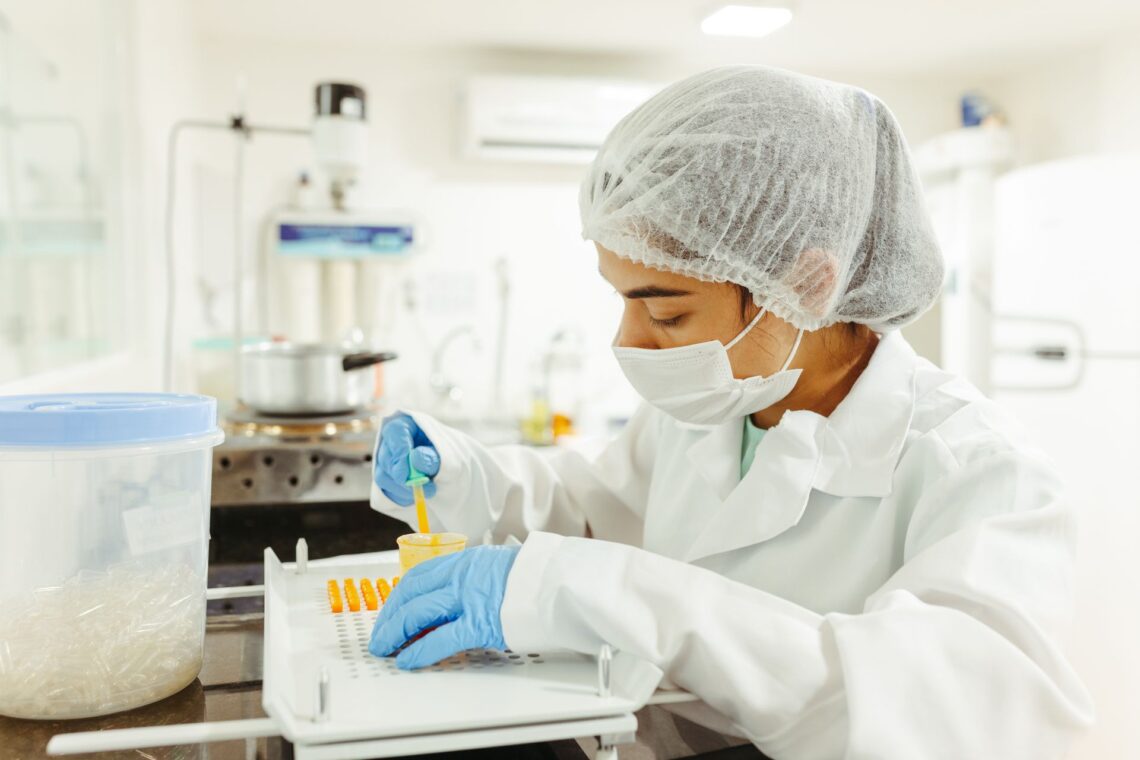
This is where the laboratory side becomes important. A clinical trial might test whether a treatment works, but laboratory testing can help show what is happening at a biological level. Blood samples, tissue, microorganisms, genetic material, and other samples can all provide useful information. And laboratories deal with a lot of them. Some processes are highly specialised. Others are repetitive.
Throughout the day, a technician might need to make repeated observations or measurements. Even simple tasks can become shockingly time-consuming as the number of samples rises. This is one of the reasons laboratory automation has grown in popularity. Replacing individuals is not always the goal. In many situations, the goal is to free up skilled workers to focus on activities where human judgement is truly important by eliminating some of the repetitive work.
Automation Has a Practical Role
Laboratory automation covers a pretty wide range of activities. Automated systems can help move samples, handle liquids, capture images, perform measurements, record information, and manage other routine steps. The exact technology depends on the laboratory and the type of testing being carried out.
Microbiology is one area where repetitive analysis can take up a considerable amount of time. Culture plates, for example, may need to be examined and colonies counted as part of a testing process. A robotic colony counting machine can assist with this kind of work by handling the counting process more consistently, while laboratory staff can focus on reviewing the results and dealing with the parts of the workflow that need professional assessment. That distinction matters. Automation is useful when it supports the workflow. It is not useful simply because something can be automated. A laboratory still needs people who understand the samples, the testing method, the equipment, and the meaning of the results.
The Problem of Managing All That Data
There is another issue that comes with modern laboratory work: information. Every sample can have a history. Where it originated, when it was gathered, what tests were run, what the outcomes were, and what happened. Keeping track of hundreds or thousands of samples becomes a task in and of itself. Laboratory Information Management Systems, or LIMS, can be useful in this situation.
Sample records, test results, process details, and other laboratory data may all be arranged using a LIMS. Instead of depending on dispersed notes, spreadsheets, or disconnected records, it provides teams with an organised method of following samples. Although it seems like a very simple upgrade, it may have a significant impact.
The World Health Organization emphasises that prompt reporting, accuracy, and dependability are crucial components of laboratory quality management. Additionally, its guidelines make it evident that quality goes beyond obtaining a final test result. The whole process around that result matters.
Machines Still Need People
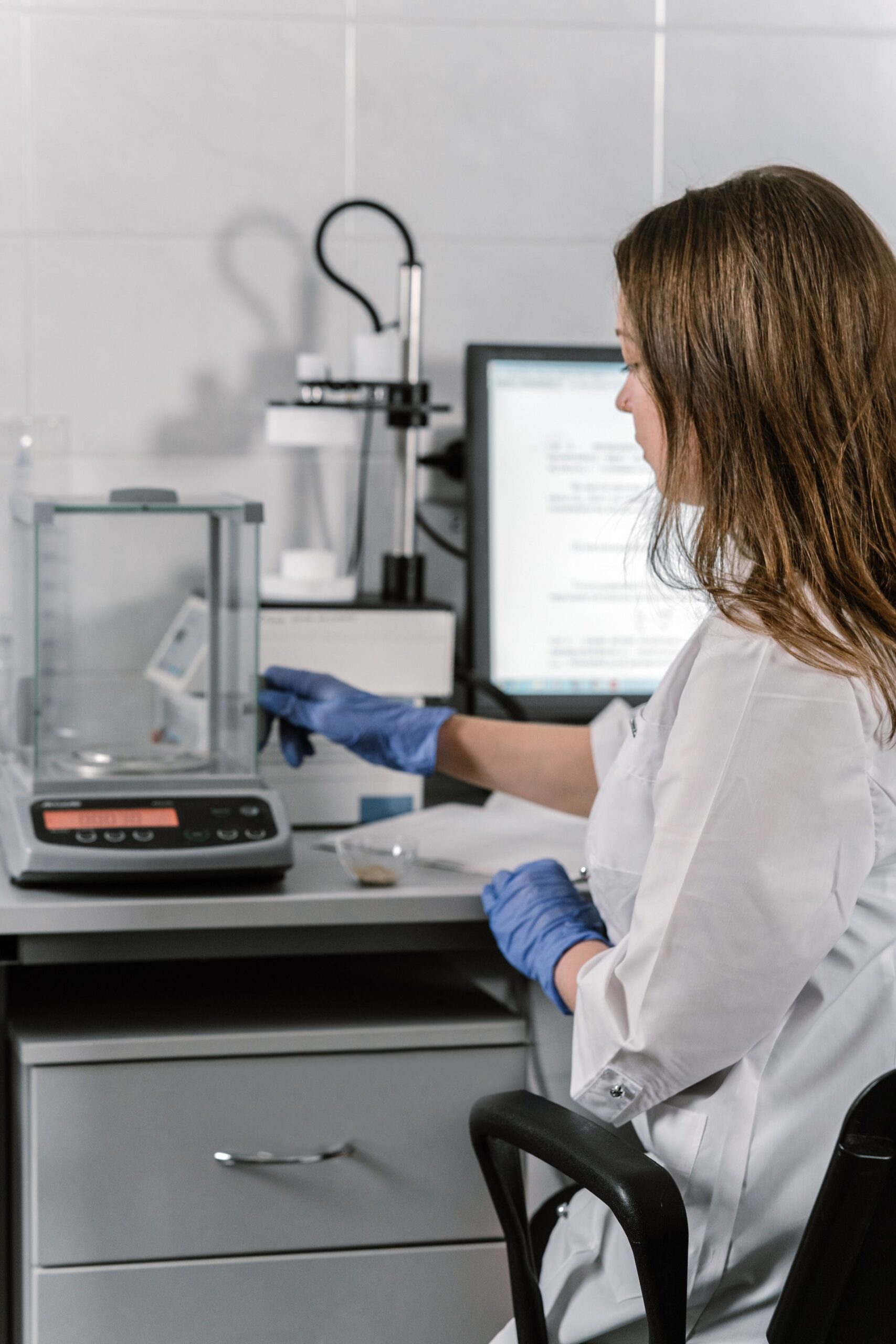
There is sometimes an assumption that automation means the process becomes completely automatic. That is not really how good laboratories work. Equipment needs to be maintained. Systems need to be validated. Procedures need to be followed. Results sometimes need to be checked manually. Instead of just accepting what shows up on a screen, staff members should be able to recognise when anything seems out of the ordinary.
Although a machine can process a lot of samples fast, accuracy and speed are not the same thing. Automation won’t solve the issue if the incorrect settings are employed, if the equipment hasn’t been properly maintained, or if a result is interpreted without taking the larger context into account. In fact, more sophisticated systems can sometimes make good procedures even more important.
Bringing the Pieces Together
Clinical trials and laboratories are often discussed as separate areas, but they are closely connected. A clinical study can generate patient information. Laboratory testing can add biological evidence. Digital systems can organise both sets of information, while analytical tools help researchers understand what the results actually mean.
When those parts work together, research can move more efficiently from collecting information to producing useful evidence. That does not mean technology makes medical research simple. It doesn’t. There are still difficult questions, unexpected results, quality issues, and decisions that require experienced professionals. What technology can do is make some of the routine work less difficult.
A researcher should not have to spend hours on a repetitive task simply because that is how it has always been done. A laboratory technician should have reliable systems for tracking samples and results. Clinical research teams should be able to spend more time understanding evidence and less time chasing paperwork. That is probably where the real value of healthcare technology sits. Not in replacing the people doing the work, but in giving them better tools to do it.