Introduction
In our fast-paced world filled with constant notifications, demanding schedules, and endless responsibilities, finding true relaxation has become increasingly difficult for millions of people. Float therapy has emerged as a revolutionary wellness practice that offers a unique escape from the chaos of modern life, providing both mental and physical benefits that traditional relaxation methods simply cannot match.
This ancient practice, modernized for today’s stressed-out population, involves floating effortlessly in a specially designed tank filled with warm water and Epsom salt, creating an environment where your body and mind can experience complete rest and restoration. Whether you’re dealing with chronic pain, anxiety, sleep problems, or simply seeking a new way to unwind, understanding float therapy could be the first step toward transforming your overall well-being and quality of life.
What Exactly Is Float Therapy and How Does It Work
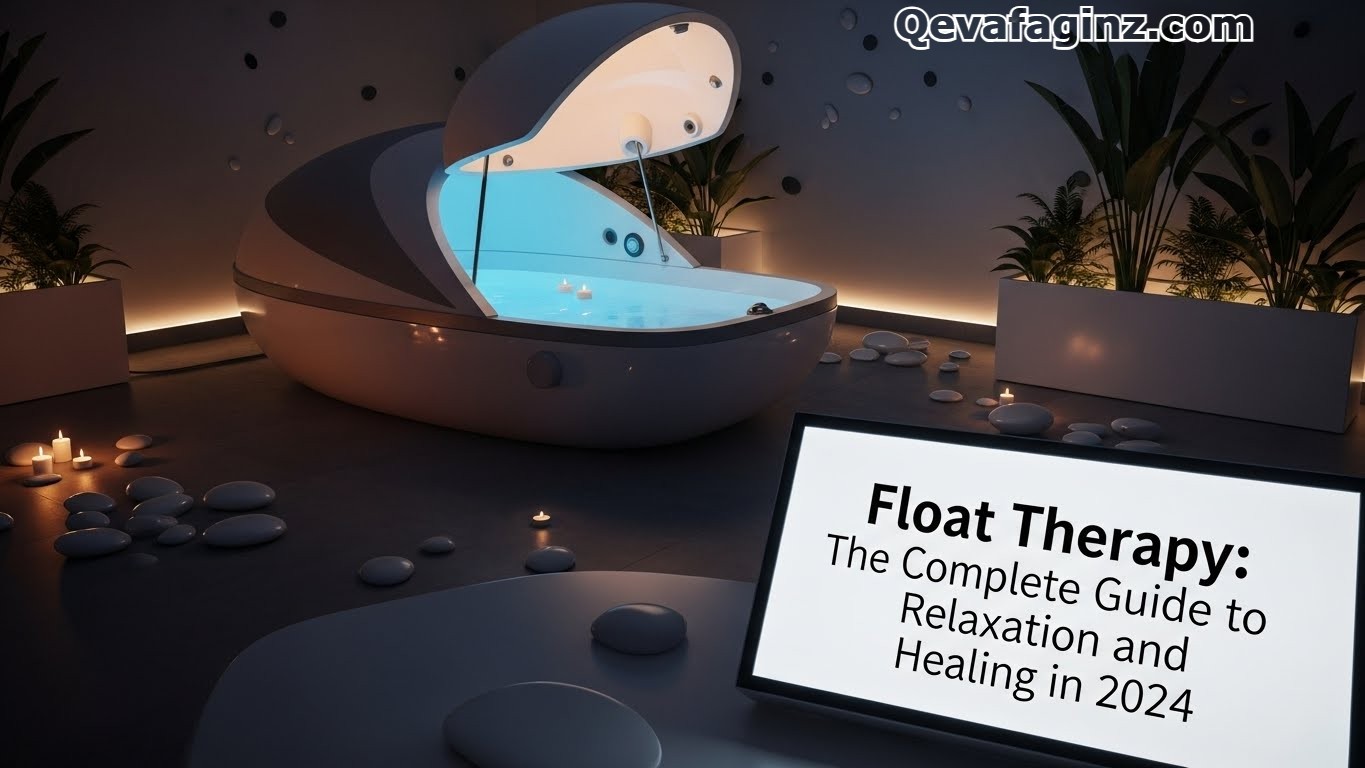
Float therapy, also known as sensory deprivation therapy or isolation tank therapy, involves lying in a specially designed pod or tank filled with approximately ten inches of water saturated with over a thousand pounds of Epsom salt. This high concentration of magnesium sulfate creates buoyancy so powerful that your body floats effortlessly on the surface without any conscious effort required.
The water is heated to match your skin temperature, typically around 93.5 degrees Fahrenheit, which means that after a few minutes, you can no longer distinguish where your body ends and the water begins. The tank environment eliminates external stimuli including light, sound, and gravity, allowing your brain to enter deeply relaxed states that are normally only achieved during sleep or deep meditation practices.
The Fascinating History Behind Float Therapy
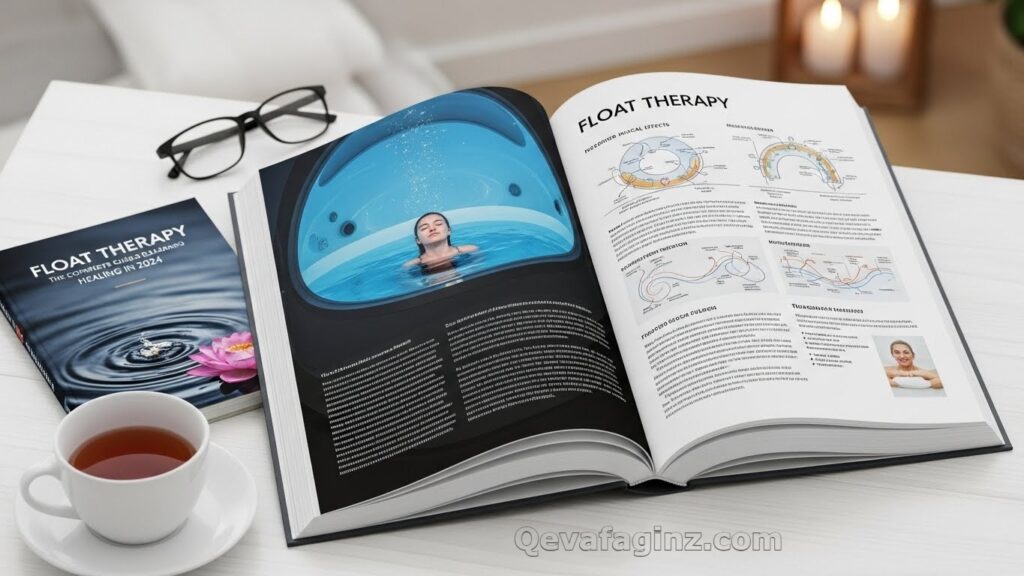
The origins of float therapy trace back to the 1950s when neuroscientist John C. Lilly developed the first isolation tank while researching the effects of sensory deprivation on human consciousness at the National Institute of Mental Health. His groundbreaking work aimed to understand what happens to the brain when all external stimulation is removed, and his findings sparked decades of research into the therapeutic potential of floating.
During the 1970s and 1980s, float tanks gained popularity in wellness circles and alternative health communities, though they remained relatively unknown to mainstream audiences. Today, float therapy has experienced a remarkable renaissance, with float centers opening in cities worldwide as scientific research continues to validate the numerous health benefits that early practitioners intuitively understood.
Understanding the Science Behind Floating
The scientific mechanisms that make float therapy so effective involve several interconnected physiological and psychological processes that work together to promote healing and relaxation. When you float in the dense salt water, your body no longer needs to fight against gravity, which means your muscles, joints, and spine can finally release the tension they constantly hold throughout the day.
This weightless state allows blood to flow more freely throughout your body, delivering oxygen and nutrients to tissues while removing metabolic waste products more efficiently. Meanwhile, the absence of external sensory input triggers your brain to shift from active beta waves to slower theta waves, the same brainwave patterns associated with deep meditation, creativity, and the moments just before falling asleep.
The Amazing Physical Benefits of Float Therapy
People seeking relief from physical ailments have discovered that float therapy offers remarkable benefits that complement traditional medical treatments and sometimes provide relief when other methods have failed. The magnesium in Epsom salt absorbs through your skin during float sessions, helping to reduce inflammation, ease muscle tension, and support hundreds of enzymatic processes throughout your body that many people are deficient in due to modern diets.
Athletes and fitness enthusiasts have embraced floating as a recovery tool, finding that sessions help reduce post-workout soreness, speed healing of minor injuries, and improve overall physical performance by allowing deep muscular relaxation that stretching and massage cannot achieve. Chronic pain sufferers, including those with fibromyalgia, arthritis, and back problems, often report significant pain reduction that lasts for days or even weeks after float sessions.
Mental Health Benefits That Transform Lives
Beyond the physical advantages, float therapy has proven to be a powerful tool for improving mental health and emotional well-being in ways that surprise even skeptical first-time floaters. The deep relaxation achieved during floating triggers the release of endorphins, dopamine, and other feel-good neurotransmitters while simultaneously reducing cortisol and other stress hormones that wreak havoc on our bodies when chronically elevated.
Research studies have demonstrated that regular float therapy sessions can significantly reduce symptoms of anxiety and depression, with some participants experiencing relief comparable to medication but without any side effects. The practice also enhances mindfulness and present-moment awareness, teaching your nervous system how to achieve calm states that you can eventually access even outside the float tank.
How Float Therapy Improves Sleep Quality
If you struggle with insomnia or poor sleep quality, float therapy might be the natural solution you’ve been searching for without even knowing it existed. The profound relaxation achieved during floating helps reset your body’s circadian rhythms and teaches your nervous system how to transition more easily into restful sleep states.
Many floaters report that their sleep improves dramatically after sessions, with some experiencing their best night’s rest in years following their very first float. The magnesium absorption that occurs during floating also plays a crucial role in sleep improvement, as this essential mineral helps regulate neurotransmitters involved in sleep and relaxation while calming the nervous system throughout the night.
Creativity and Mental Clarity Through Floating
Artists, writers, entrepreneurs, and problem-solvers of all types have discovered that float therapy unlocks creativity and mental clarity in ways that feel almost magical after experiencing them firsthand. When your brain is freed from the constant task of processing external sensory information, it has the bandwidth to make new connections, solve complex problems, and access creative insights that remain hidden during normal waking consciousness.
Many famous musicians, athletes, and business leaders have credited regular floating with helping them achieve breakthrough ideas and peak performance in their respective fields. The theta brainwave state achieved during floating is the same state in which many people experience their most creative moments, such as those brilliant ideas that come just as you’re falling asleep or during a relaxing shower.
What to Expect During Your First Float Therapy Session

Walking into a float center for the first time can feel intimidating, but knowing what to expect helps most newcomers feel comfortable and get the most from their float therapy experience. Upon arrival, a staff member will give you a tour of the facility, explain how the float tank works, and answer any questions you might have about the process or what to expect during your session.
You’ll shower before entering the tank to remove oils and products from your skin, then step into the warm, dense salt water that will immediately support your body weight. Most people find that their minds race during the first fifteen to twenty minutes as they adjust to the unusual environment, but patience pays off as relaxation deepens and the true benefits of floating begin to emerge.
Preparing Yourself for a Float Therapy Session
Proper preparation can significantly enhance your float therapy experience and help you achieve deeper relaxation from your very first session onward. Avoid caffeine for several hours before your appointment, as stimulants can interfere with the relaxation response and make it harder to quiet your racing thoughts inside the tank.
Eating a light meal about an hour or two before floating is ideal, as you don’t want to be distracted by hunger pangs but also don’t want a full stomach making you uncomfortable. Avoid shaving on the day of your float, as the high salt concentration can cause stinging sensations on freshly shaved skin, and remove contact lenses before entering the tank to prevent irritation.
Common Concerns and Misconceptions About Floating
Many people hesitate to try float therapy because of misconceptions or fears that seem reasonable but are almost always unfounded once addressed properly. Claustrophobia is the most common concern, but modern float tanks are spacious enough for even tall individuals to stretch out completely, and you always have complete control to open the door or turn on lights at any time.
The water is thoroughly filtered and sanitized between each session using advanced purification systems, making float tanks cleaner than most swimming pools or hot tubs you’ve ever used. You won’t sink because the salt concentration makes it physically impossible to go under water, and most people find the experience surprisingly comfortable once they allow themselves to relax and trust the process.
How Often Should You Practice Float Therapy
The frequency of float therapy sessions depends on your individual goals, budget, and how your body responds to the practice over time and with repeated exposure. First-time floaters are often encouraged to try three sessions relatively close together, as this allows your nervous system to learn how to relax in the tank environment and builds on the cumulative benefits of regular practice.
Many regular floaters find that weekly or bi-weekly sessions provide optimal benefits for managing stress, maintaining mental clarity, and supporting physical recovery from athletic activities or chronic conditions. Some people choose to float monthly as a maintenance practice, while others reserve sessions for particularly stressful periods or when they need a mental reset.
Float Therapy for Athletes and Physical Performance
Professional and amateur athletes alike have embraced float therapy as a secret weapon for recovery, mental preparation, and performance enhancement that gives them a competitive edge. The weightless environment allows muscles and joints to recover from intense training without any additional stress, accelerating the body’s natural healing processes in ways that even sleep cannot fully replicate.
Mental preparation through visualization becomes incredibly powerful in the float tank, where athletes can rehearse movements, strategies, and competitive scenarios without any external distractions interfering with their focus. Many Olympic athletes, professional sports teams, and elite performers include regular floating as an essential component of their training and recovery programs.
Float Therapy During Pregnancy
Expectant mothers have discovered that float therapy offers unique benefits during pregnancy, providing relief from physical discomforts while creating peaceful bonding time with their developing babies. The buoyancy of the salt water relieves pressure on joints, muscles, and the spine that become increasingly stressed as pregnancy progresses and the body adapts to carrying additional weight.
Many pregnant women report that floating reduces swelling, eases back pain, and provides some of the only true comfort they experience during their third trimester. However, pregnant women should always consult with their healthcare providers before beginning float therapy and should typically avoid floating during the first trimester or if they have any high-risk pregnancy conditions.
Finding the Right Float Therapy Center Near You
As float therapy continues growing in popularity, more centers are opening in cities and towns worldwide, making it easier than ever to find a quality facility in your area. Look for centers that maintain high standards of cleanliness, use modern filtration systems, and employ knowledgeable staff who can answer your questions and address any concerns you might have.
Reading online reviews can provide insights into other customers’ experiences, though remember that float therapy is subjective and what works perfectly for one person might feel different for another. Many centers offer introductory packages or first-time visitor discounts, making it affordable to try floating and discover whether it works for your individual needs and preferences.
Combining Float Therapy With Other Wellness Practices
The benefits of float therapy can be enhanced and extended when combined thoughtfully with other wellness practices that support physical health and mental well-being. Many people find that floating before or after massage therapy amplifies the benefits of both practices, with muscles releasing tension more completely and relaxation lasting longer.
Combining floating with regular meditation practice helps you achieve deeper states more quickly, as your nervous system learns to recognize and access calm states more efficiently over time. Yoga practitioners often discover that floating enhances their flexibility and body awareness, while those pursuing therapy for mental health issues find that floating supports their healing journey by providing a regular space for deep self-reflection.
The Future of Float Therapy and Wellness
As research continues validating the remarkable benefits of float therapy, this practice is poised to become an increasingly mainstream component of healthcare and wellness programs worldwide. Medical professionals are beginning to recommend floating for specific conditions, and insurance companies may eventually cover sessions as the evidence base for therapeutic applications continues growing.
Float tank technology continues evolving, with newer tanks offering enhanced comfort, improved filtration, and features designed to customize the experience for individual preferences. The growing interest in mental health, stress management, and holistic wellness suggests that float therapy will only continue expanding its reach and helping more people discover the profound benefits of sensory rest.
Conclusion
Float therapy represents a unique and powerful wellness tool that offers benefits extending far beyond simple relaxation, touching every aspect of physical health, mental well-being, and overall quality of life. Whether you’re seeking relief from chronic pain, looking to reduce anxiety and stress, hoping to enhance athletic performance, or simply curious about exploring different states of consciousness, floating offers something valuable for virtually everyone willing to try it.
The initial hesitation that many people feel quickly gives way to profound relaxation and appreciation once they experience floating for themselves. Your journey toward better health, deeper relaxation, and greater self-awareness might just be waiting for you in a float tank, ready to transform how you experience life both inside and outside that peaceful, salt-filled sanctuary.