Introduction
Outer elbow pain is a common problem that affects people of all ages and activity levels. It can start as a small ache and slowly turn into pain that makes daily tasks difficult. Many people ignore it at first, but early understanding and care can prevent long-term discomfort and weakness in the arm.
What Is Outer Elbow Pain?

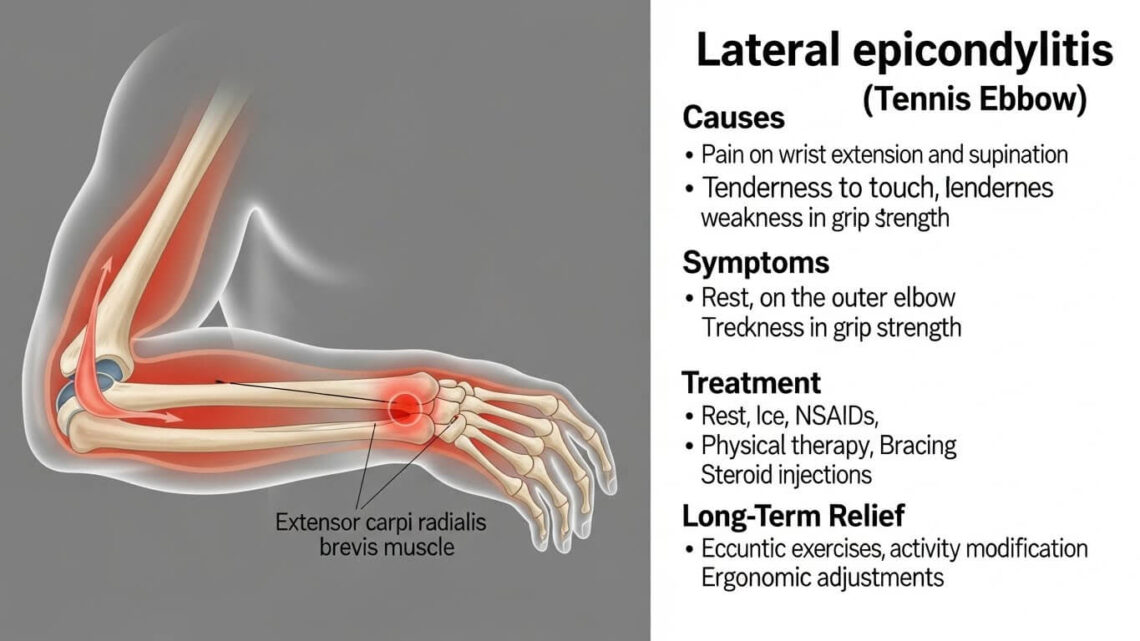
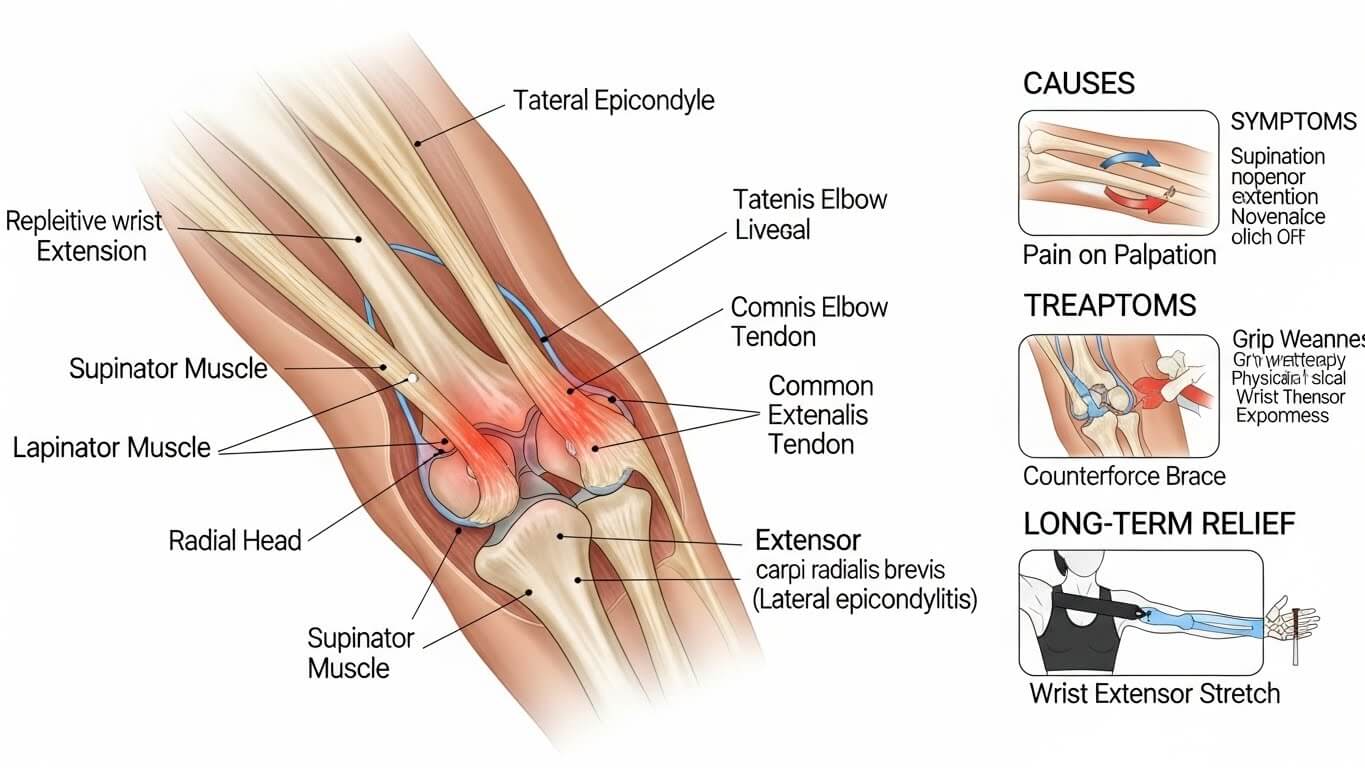
Outer elbow pain refers to discomfort felt on the outside part of the elbow, where the forearm muscles connect to the bone. This area is used heavily during gripping, lifting, typing, and many repetitive movements. When these muscles or tendons become irritated or damaged, pain can develop and slowly worsen if not treated properly.
Why Outer Elbow Pain Is So Common
Outer elbow pain is common because the elbow is used constantly throughout the day. Simple actions like holding a phone, opening doors, or lifting bags place stress on the outer elbow. Over time, repeated strain can overload the tendons, especially when proper rest or posture is ignored. This makes the condition common among office workers, athletes, and manual laborers.
Main Causes of Outer Elbow Pain
One of the most common causes of outer elbow pain is overuse. Repeating the same arm movement again and again can strain the tendons. Poor technique during sports, weak muscles, or sudden increases in activity can also cause damage. In some cases, injury, aging, or lack of flexibility can play a role in developing pain.
Tennis Elbow and Outer Elbow Pain
Tennis elbow is one of the most well-known reasons for outer elbow pain, even though it affects many people who do not play tennis. This condition happens when the tendons on the outside of the elbow become inflamed due to repetitive motion. Activities like typing, painting, or using tools can lead to this problem over time.
Early Signs and Symptoms to Watch For
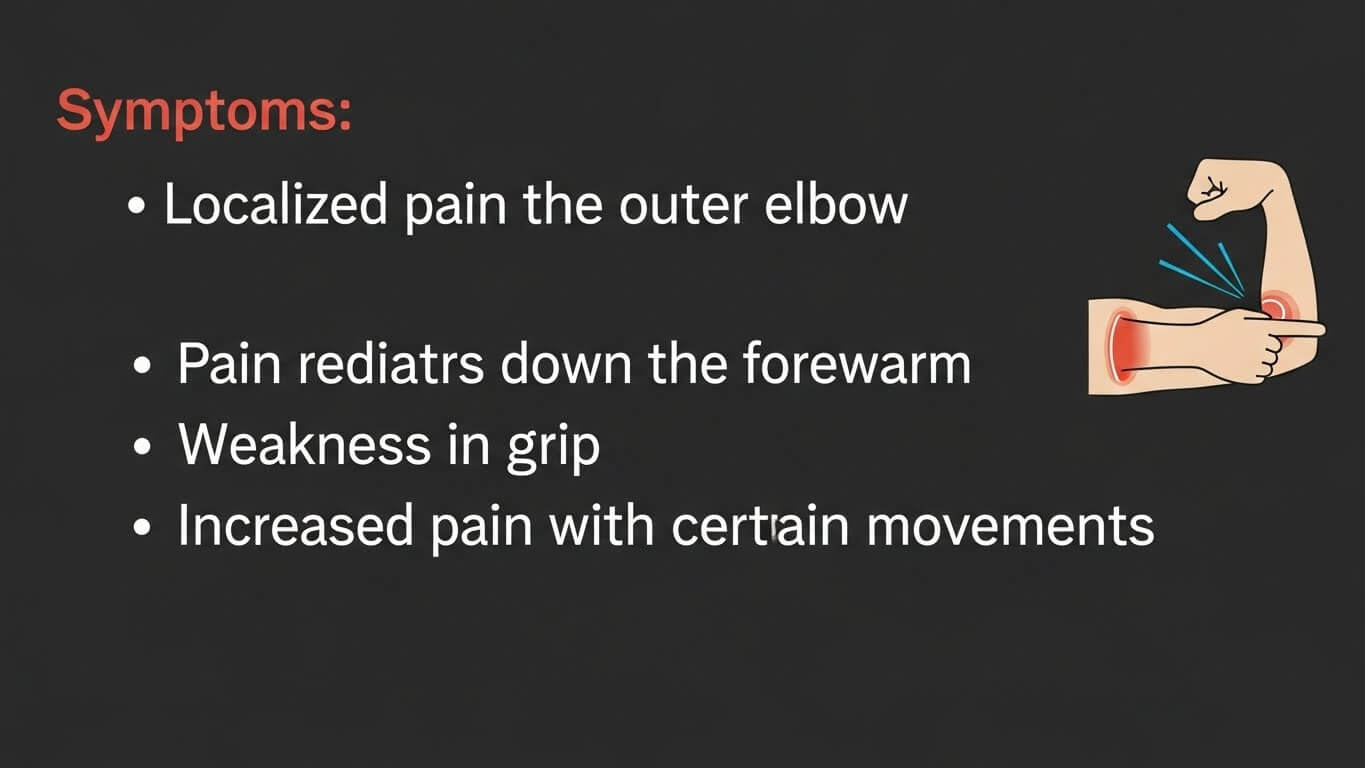
Outer elbow pain often begins slowly. At first, you may feel mild soreness or stiffness after activity. As time passes, the pain may become sharper and more constant. Some people notice weakness in the hand or difficulty gripping objects. Pain may also increase when lifting, twisting, or shaking hands.
How Outer Elbow Pain Affects Daily Life
When outer elbow pain becomes severe, it can interfere with simple daily activities. Tasks such as writing, carrying groceries, or even brushing teeth can become uncomfortable. Many people feel frustrated because the pain limits productivity and independence. Without proper care, the condition can last for months or even years.
Risk Factors for Developing Outer Elbow Pain
Certain factors increase the risk of outer elbow pain. Repetitive hand movements, poor posture, and lack of muscle strength are common contributors. Jobs that require frequent gripping or lifting can raise the risk. Age also plays a role, as tendons become less flexible over time, making them easier to injure.
Diagnosing Outer Elbow Pain
Doctors usually diagnose outer elbow pain through a physical exam and discussion of symptoms. They may ask about daily activities, work habits, and sports participation. In some cases, imaging tests may be used to rule out other conditions. Early diagnosis helps create a better treatment plan and prevents further damage.
Rest and Activity Modification
One of the most important steps in treating outer elbow pain is rest. Giving the elbow time to heal can reduce inflammation and prevent worsening. Activity modification means avoiding movements that cause pain while slowly introducing safer alternatives. This does not mean complete inactivity, but rather a smarter use of the arm.
Pain Relief Options for Outer Elbow Pain
Pain relief methods include ice packs, gentle stretching, and over-the-counter pain relief options when appropriate. Ice helps reduce swelling and numbs discomfort. Applying ice after activity can be especially helpful. These simple steps can bring noticeable relief when used consistently.
Physical Therapy for Long-Term Recovery
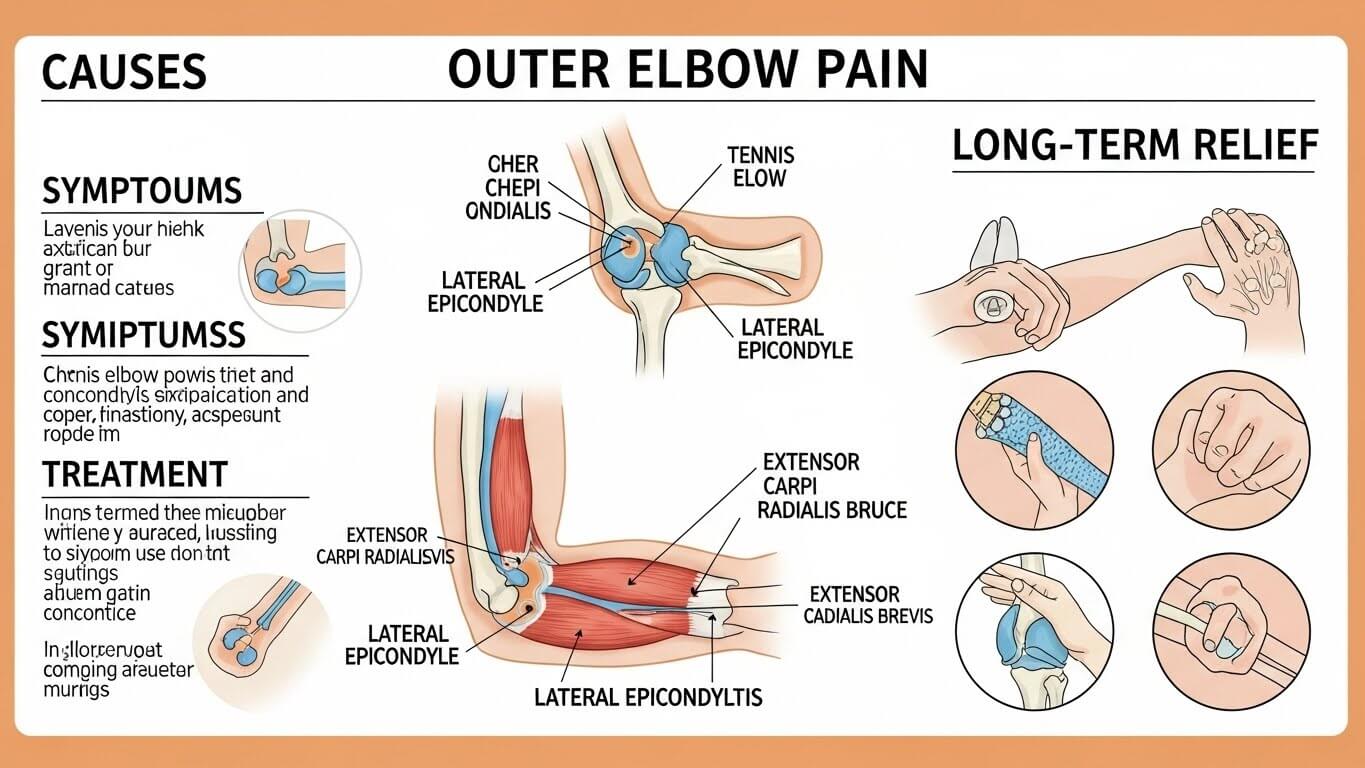
Physical therapy plays a major role in treating outer elbow pain. A therapist can guide patients through exercises that strengthen the forearm muscles and improve flexibility. Proper exercises help reduce strain on the tendons and support healing. Over time, therapy can restore function and prevent the pain from returning.
Importance of Stretching and Strengthening
Stretching and strengthening exercises help balance the muscles around the elbow. Stretching improves flexibility, while strengthening builds support for the joint. When muscles are strong and flexible, they absorb stress better. This reduces pressure on the tendons and lowers the risk of pain returning.
Braces and Supports for Outer Elbow Pain
Elbow braces and straps can help reduce stress on the affected area. These supports work by spreading pressure away from the painful tendon. Many people find relief when using braces during activities that normally cause discomfort. While not a cure, they can be a helpful part of a treatment plan.
Lifestyle Changes That Help Healing
Small lifestyle changes can make a big difference in managing outer elbow pain. Improving posture, adjusting workstations, and taking regular breaks reduce strain. Using proper technique during sports or work activities also protects the elbow. These changes support healing and prevent future problems.
Preventing Outer Elbow Pain in the Future
Prevention focuses on avoiding overuse and improving muscle balance. Warming up before activity, using correct movement techniques, and strengthening the forearm muscles can help. Listening to early signs of pain and resting when needed is key to long-term elbow health.
When to See a Healthcare Professional
If outer elbow pain lasts longer than a few weeks or becomes severe, it is important to seek professional help. Persistent pain, weakness, or limited movement may require specialized care. Early treatment often leads to faster recovery and prevents chronic pain.
Myths About Outer Elbow Pain
Many people believe outer elbow pain will go away on its own, but this is not always true. Ignoring symptoms can make the condition worse. Another myth is that only athletes experience this pain, when in reality it affects people from many walks of life.
Emotional Impact of Chronic Outer Elbow Pain
Chronic outer elbow pain can affect mental well-being. Ongoing discomfort may lead to stress, frustration, or sleep problems. Understanding that recovery takes time can help patients stay patient and motivated. Emotional support and positive habits can play an important role in healing.
Long-Term Outlook for Outer Elbow Pain
With proper care, most people recover fully from outer elbow pain. Consistent treatment, exercise, and lifestyle adjustments lead to strong and healthy elbows. Even those with long-lasting symptoms can see improvement with the right approach and commitment to recovery.
Conclusion
Outer elbow pain is common but manageable with early care, smart habits, and proper treatment. Understanding the causes and taking action can lead to lasting relief and healthier movement.