Introduction
A wobbly tooth is something almost everyone experiences at some point in their lives, whether as a child eagerly awaiting a visit from the tooth fairy or as an adult concerned about unexpected dental problems. The sensation of having a tooth that moves when you touch it can range from exciting for young children to deeply worrying for grown-ups who expect their teeth to remain firmly in place forever.
Understanding what causes a wobbly tooth, when it is completely normal, and when it signals a need for dental intervention is essential knowledge that can save you stress, money, and potentially your teeth. This comprehensive guide will explore everything related to wobbly teeth, from the natural process of losing baby teeth to the various conditions that can cause tooth mobility in adults. Whether you are a parent dealing with your child’s first loose tooth or an adult experiencing unexpected tooth movement, this article will provide you with the information and guidance you need to handle the situation confidently and appropriately.
What Exactly Is a Wobbly Tooth?

A wobbly tooth, also commonly referred to as a loose tooth, is any tooth that moves noticeably from its normal fixed position within the gum and jawbone. In healthy conditions, teeth are anchored securely by a complex system of roots embedded in the jawbone and surrounded by gum tissue that holds everything tightly together. When this anchoring system is compromised for any reason, the tooth begins to exhibit movement or wobble when pressure is applied through eating, speaking, or direct touch.
The degree of wobbliness can vary significantly, from a slight movement that is barely noticeable to severe looseness where the tooth feels like it could fall out at any moment. Understanding the underlying cause of your wobbly tooth is crucial because the appropriate response differs dramatically depending on whether the looseness is a natural developmental process or a symptom of an underlying health concern that requires professional attention.
The Natural Journey: Wobbly Tooth in Children
For children between the ages of approximately five and twelve, a wobbly tooth is typically a completely normal and expected part of growing up. Baby teeth, also called primary teeth or deciduous teeth, are designed to fall out and make way for permanent adult teeth that will serve the child for the rest of their life. The process begins when the roots of baby teeth gradually dissolve as permanent teeth develop beneath them in the jawbone, pushing upward and causing the baby teeth to become increasingly loose over time.
Parents often notice their child’s first wobbly tooth around age five or six, usually starting with the lower front teeth, followed by the upper front teeth. This exciting milestone is often celebrated in families, with traditions like the tooth fairy making the experience magical rather than scary for children. When your child has a wobbly tooth due to this natural process, the best approach is usually to let nature take its course and allow the tooth to fall out on its own when it is ready.
When Adults Experience a Wobbly Tooth
Unlike children, adults should not experience loose teeth under normal circumstances, and a wobbly tooth in adulthood almost always indicates an underlying problem that needs to be addressed by a dental professional. Adult teeth are meant to remain firmly anchored for life, so any movement is a warning sign that something is affecting the structures that hold teeth in place.
The causes of a wobbly tooth in adults range from treatable conditions like gum disease to more serious issues such as bone loss or dental trauma. Many adults feel embarrassed or anxious when they discover a loose tooth, but ignoring the problem will only make it worse and could eventually lead to tooth loss that might have been prevented with timely intervention. If you are an adult experiencing a wobbly tooth, do not panic, but do schedule an appointment with your dentist as soon as possible to identify the cause and begin appropriate treatment before the situation deteriorates further.
Common Causes of a Wobbly Tooth
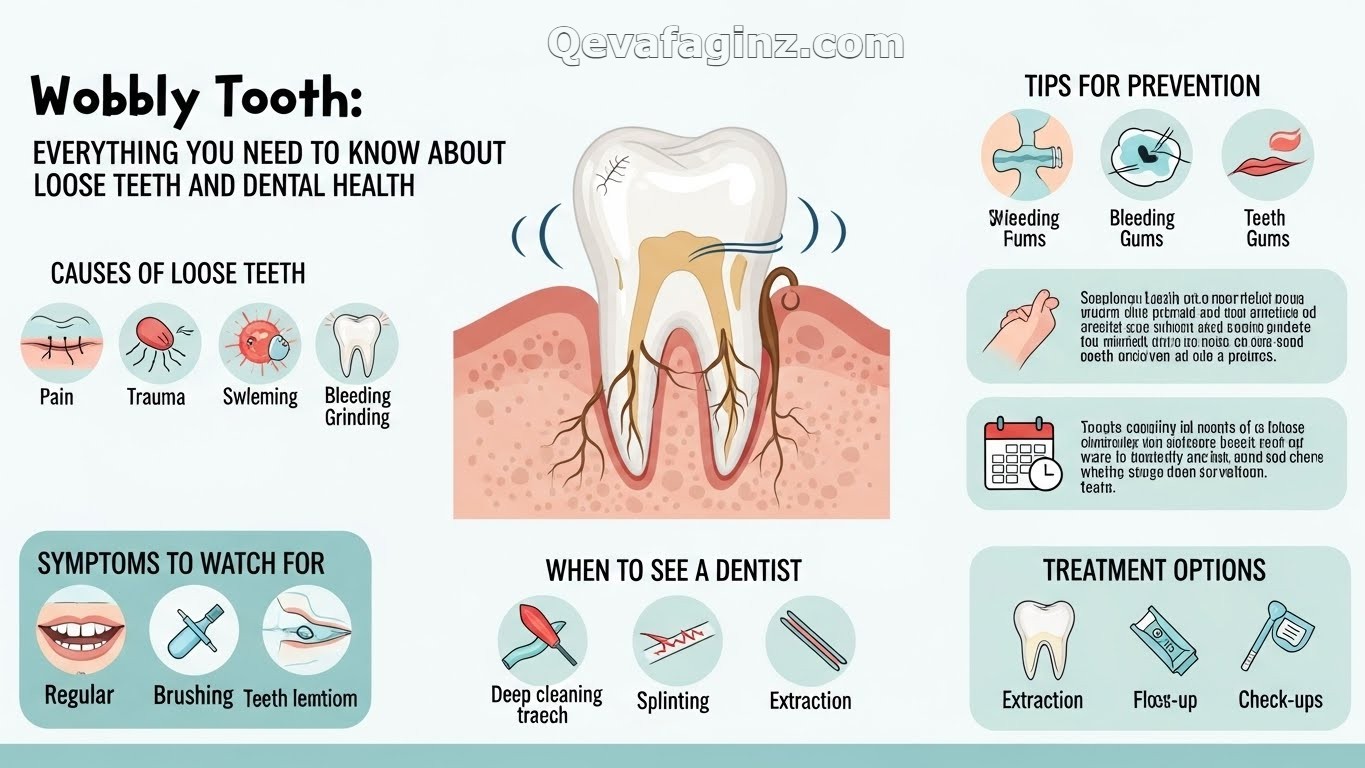
Several conditions can lead to the development of a wobbly tooth in adult patients, and understanding these causes helps in both prevention and treatment. Periodontal disease, commonly known as gum disease, is the leading cause of loose teeth in adults and occurs when bacterial infections attack the gums and bone structures that support teeth. Starting as gingivitis with symptoms like bleeding gums and bad breath, untreated gum disease progresses to periodontitis, which destroys the bone and connective tissue anchoring teeth in place.
Trauma or injury to the mouth from accidents, sports injuries, or even habits like teeth grinding can damage the tooth’s supporting structures and result in looseness. Osteoporosis, a condition that weakens bones throughout the body, can also affect the jawbone and contribute to tooth mobility. Pregnancy hormones can temporarily affect the ligaments and bones supporting teeth, causing slight looseness that usually resolves after childbirth. Poor dental hygiene, smoking, diabetes, and certain medications are additional factors that increase the risk of developing a wobbly tooth in adulthood.
Signs and Symptoms Accompanying a Wobbly Tooth

A wobbly tooth rarely occurs in isolation, and being aware of accompanying symptoms can help you understand the severity of the situation and communicate effectively with your dentist. You might notice bleeding when brushing or flossing, particularly around the loose tooth area, which often indicates gum disease or infection. Swelling, redness, or tenderness in the gums surrounding the wobbly tooth are common inflammatory responses that suggest your body is fighting an infection.
Bad breath or an unpleasant taste in your mouth, even after brushing, can indicate bacterial buildup associated with periodontal problems. Some people experience pain or discomfort when biting or chewing, especially when pressure is applied to the loose tooth. Changes in how your teeth fit together when you bite down, known as changes in occlusion, might also become noticeable. Gum recession, where the gums pull away from the teeth and expose more of the tooth or its root, frequently accompanies tooth looseness. Paying attention to these symptoms and reporting them to your dentist provides valuable diagnostic information.
How to Handle Your Child’s Wobbly Tooth
When your child develops a wobbly tooth as part of the natural tooth loss process, knowing how to handle the situation makes the experience positive for everyone involved. First and foremost, reassure your child that having a wobbly tooth is completely normal and even exciting because it means they are growing up. Encourage them to wiggle the tooth gently with their tongue or clean fingers, which can help the natural loosening process and gives them a sense of control over their body.
Avoid the old tradition of tying string around the tooth and pulling, as this can cause unnecessary pain, bleeding, and even damage to surrounding teeth and gums. Make sure your child continues brushing and flossing normally, being gentle around the loose tooth to prevent discomfort. If the tooth becomes very loose but does not fall out on its own after several weeks, or if it causes significant pain, consult your child’s dentist for guidance. Most importantly, celebrate this milestone and consider starting fun traditions like leaving the tooth for the tooth fairy to create positive memories around the experience.
Professional Treatment Options for a Wobbly Tooth
Modern dentistry offers numerous treatment options for addressing a wobbly tooth in adults, and the appropriate approach depends entirely on the underlying cause and severity of the looseness. For teeth loosened by gum disease, treatment typically begins with deep cleaning procedures called scaling and root planing, which remove tartar and bacteria from below the gum line and smooth the tooth roots to promote healing. Antibiotics may be prescribed to fight infection, either as oral medications or as gels applied directly to the gum pockets.
In more advanced cases, surgical interventions such as flap surgery, bone grafts, or tissue regeneration procedures may be necessary to restore the supporting structures. Dental splinting, where the wobbly tooth is bonded to stable neighboring teeth, provides temporary stabilization while healing occurs. For teeth loosened by grinding or clenching, custom nightguards protect teeth from further damage during sleep. Unfortunately, when a tooth is too severely compromised to save, extraction followed by replacement with a dental implant, bridge, or denture may be the only viable option.
Preventing a Wobbly Tooth: Daily Habits That Matter

Prevention is always better than treatment, and maintaining healthy daily habits significantly reduces your risk of developing a wobbly tooth due to preventable causes. Brush your teeth thoroughly at least twice daily using fluoride toothpaste and a soft-bristled brush, paying special attention to the gum line where bacteria accumulate. Floss daily to remove plaque and food particles from between teeth where your toothbrush cannot reach effectively.
Use an antiseptic mouthwash to kill bacteria and freshen breath while providing additional protection against gum disease. Visit your dentist regularly for professional cleanings and examinations, typically every six months, to catch potential problems before they become serious. If you grind your teeth at night, ask your dentist about a protective nightguard to prevent damage to your teeth and supporting structures. Quit smoking, as tobacco use dramatically increases your risk of gum disease and tooth loss. Eat a balanced diet rich in vitamins and minerals that support dental health, particularly calcium and vitamin D for strong bones and vitamin C for healthy gums.
The Connection Between Gum Health and a Wobbly Tooth
Understanding the critical relationship between gum health and tooth stability is essential for anyone wanting to prevent or address a wobbly tooth. Your gums, along with the underlying bone and periodontal ligaments, form the foundation that keeps your teeth secure and functional throughout your life. When gums become infected and inflamed due to poor oral hygiene, they begin to pull away from the teeth, creating pockets where bacteria thrive and multiply.
As the infection progresses deeper, it attacks the bone tissue that anchors teeth in place, causing gradual but progressive bone loss. This bone destruction is the primary reason why gum disease leads to loose teeth and eventual tooth loss if left untreated. The frightening aspect of gum disease is that it often progresses painlessly until significant damage has occurred, which is why regular dental checkups are so important for early detection. By prioritizing gum health through proper hygiene and professional care, you protect the foundation that keeps your teeth firmly in place.
When to See a Dentist About a Wobbly Tooth
Knowing when to seek professional help for a wobbly tooth can make the difference between saving and losing a tooth. Adults should schedule a dental appointment immediately upon noticing any tooth mobility, as loose teeth in adults always warrant professional evaluation. Parents should consult a pediatric dentist if their child’s wobbly tooth seems painful, shows signs of infection like swelling or pus, or if the permanent tooth is erupting before the baby tooth has fallen out.
Seek urgent care if a tooth becomes loose following trauma or injury to the face and mouth, as prompt treatment can sometimes save damaged teeth. Do not delay seeking help if you notice other concerning symptoms like severe pain, significant bleeding, fever, or facial swelling, which could indicate serious infection requiring immediate attention. Remember that early intervention typically results in better outcomes, more treatment options, and lower costs than waiting until problems become severe.
Living with Dental Anxiety: Getting Help for Your Wobbly Tooth

Many people avoid seeking treatment for a wobbly tooth because of dental anxiety, a common condition that affects millions of individuals worldwide. If fear is preventing you from getting the dental care you need, know that you are not alone and that modern dentistry offers many solutions to make your experience comfortable. Communicate openly with your dentist about your fears, as most dental professionals are trained to work with anxious patients and can adjust their approach accordingly.
Sedation options ranging from mild anti-anxiety medications to deeper sedation are available for patients who need extra help relaxing during procedures. Distraction techniques like listening to music, watching television, or using virtual reality headsets are increasingly available in dental offices. Finding a compassionate dentist who takes time to explain procedures, answers your questions patiently, and respects your concerns can transform your dental experience entirely.
Nutritional Support for Strong Teeth and Healthy Gums
What you eat plays a significant role in maintaining dental health and preventing conditions that lead to a wobbly tooth. Calcium-rich foods like dairy products, leafy greens, and fortified alternatives strengthen the jawbone that anchors your teeth securely. Vitamin D, obtained from sunlight exposure and foods like fatty fish and fortified products, helps your body absorb calcium effectively.
Vitamin C from citrus fruits, berries, and vegetables supports healthy gum tissue and helps fight infections. Crunchy fruits and vegetables like apples and carrots naturally clean teeth and stimulate gum circulation. Limit sugary and acidic foods and beverages that promote bacterial growth and erode tooth enamel. Stay hydrated with water, which helps wash away food particles and bacteria while maintaining saliva production that protects teeth.
The Emotional Impact of Dealing with a Wobbly Tooth
Beyond the physical aspects, experiencing a wobbly tooth can have significant emotional and psychological effects, particularly for adults who fear losing their teeth. Concerns about appearance, eating difficulties, and the potential need for dentures or other replacements can cause anxiety and stress. Some people feel embarrassed to smile, eat in public, or engage in social situations when dealing with loose teeth.
These emotional responses are completely normal and valid, and addressing them is an important part of comprehensive dental care. Open communication with your dentist about your concerns can lead to treatment plans that address both functional and aesthetic priorities. Connecting with others who have gone through similar experiences can provide emotional support and practical advice.
Conclusion
Whether you are celebrating your child’s exciting milestone of losing baby teeth or facing the concern of an unexpected wobbly tooth as an adult, understanding what is happening and knowing your options empowers you to make informed decisions about dental health. A wobbly tooth in childhood is usually a natural and positive sign of development that requires patience and gentle care, while in adults, it signals the need for prompt professional evaluation and treatment.
By maintaining excellent oral hygiene, attending regular dental appointments, and addressing problems early, you protect your teeth and the supporting structures that keep them firmly in place. Remember that modern dentistry has solutions for nearly every dental problem, and seeking help sooner rather than later almost always leads to better outcomes. Your smile is worth protecting, and taking action when you notice a wobbly tooth is an investment in your long-term health and happiness. Do not let fear, embarrassment, or procrastination prevent you from getting the care you deserve.