Introducing
Watching your baby go through teething can be a challenging time for any parent. Along with the fussiness and sleepless nights, you might notice a red rash appearing on your little one’s face or body. This condition is commonly known as teething rash, and it affects many babies during the teething process. While seeing a rash on your baby can be worrying, understanding what causes it and how to treat it can give you peace of mind.
What Is Teething Rash?
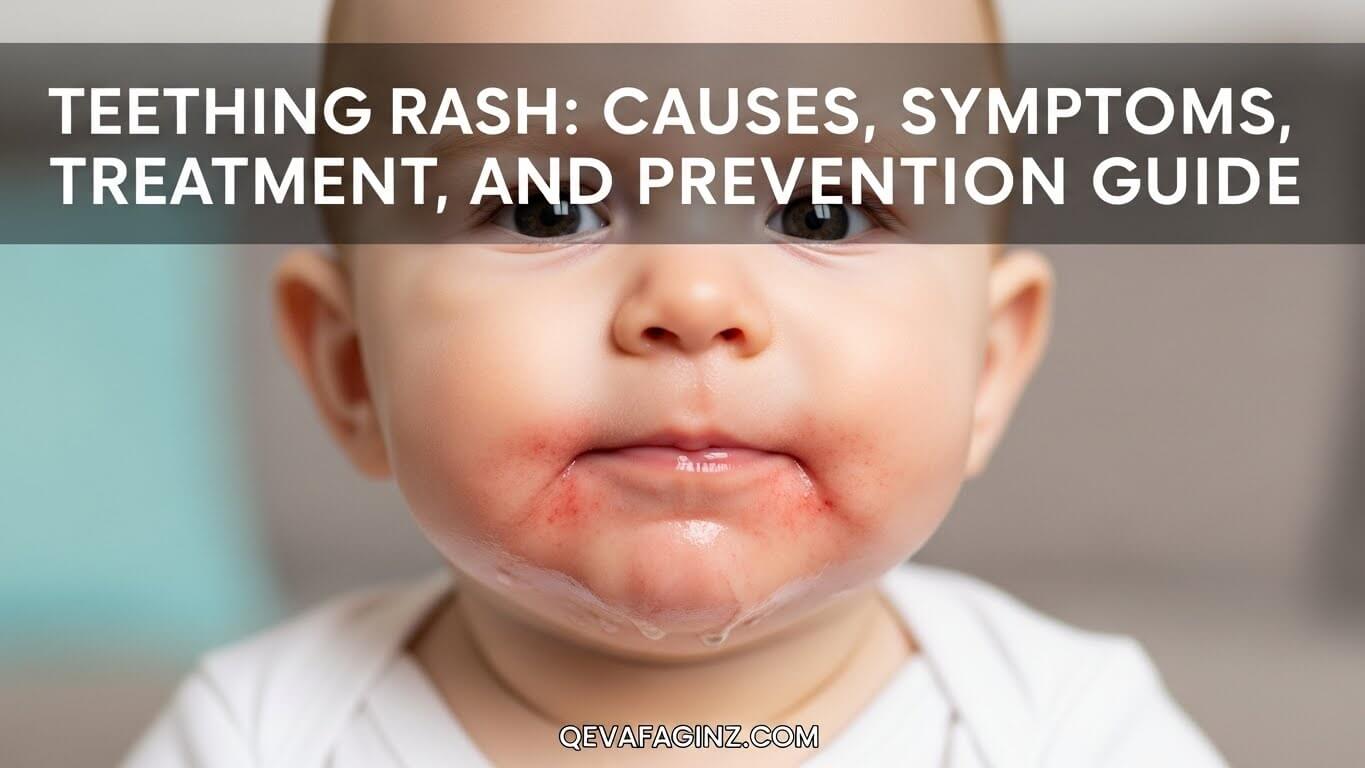
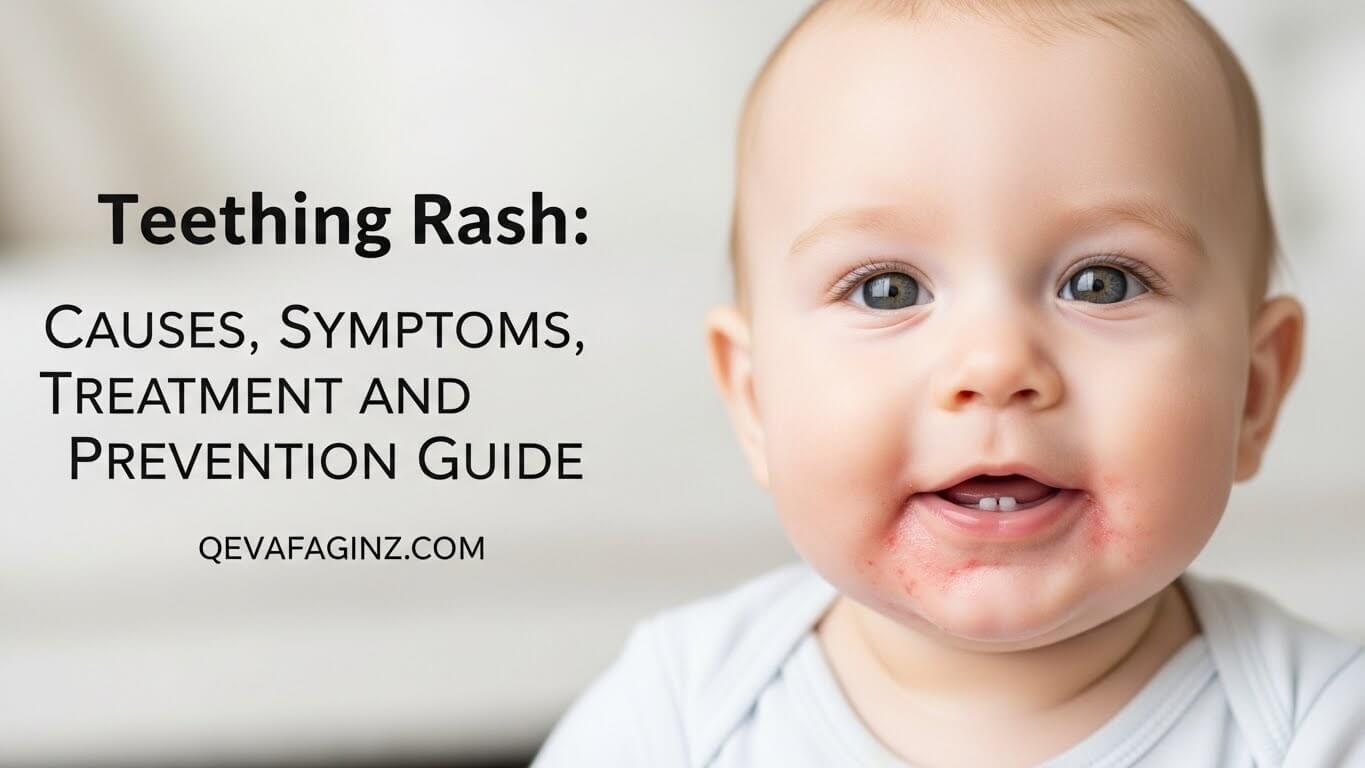
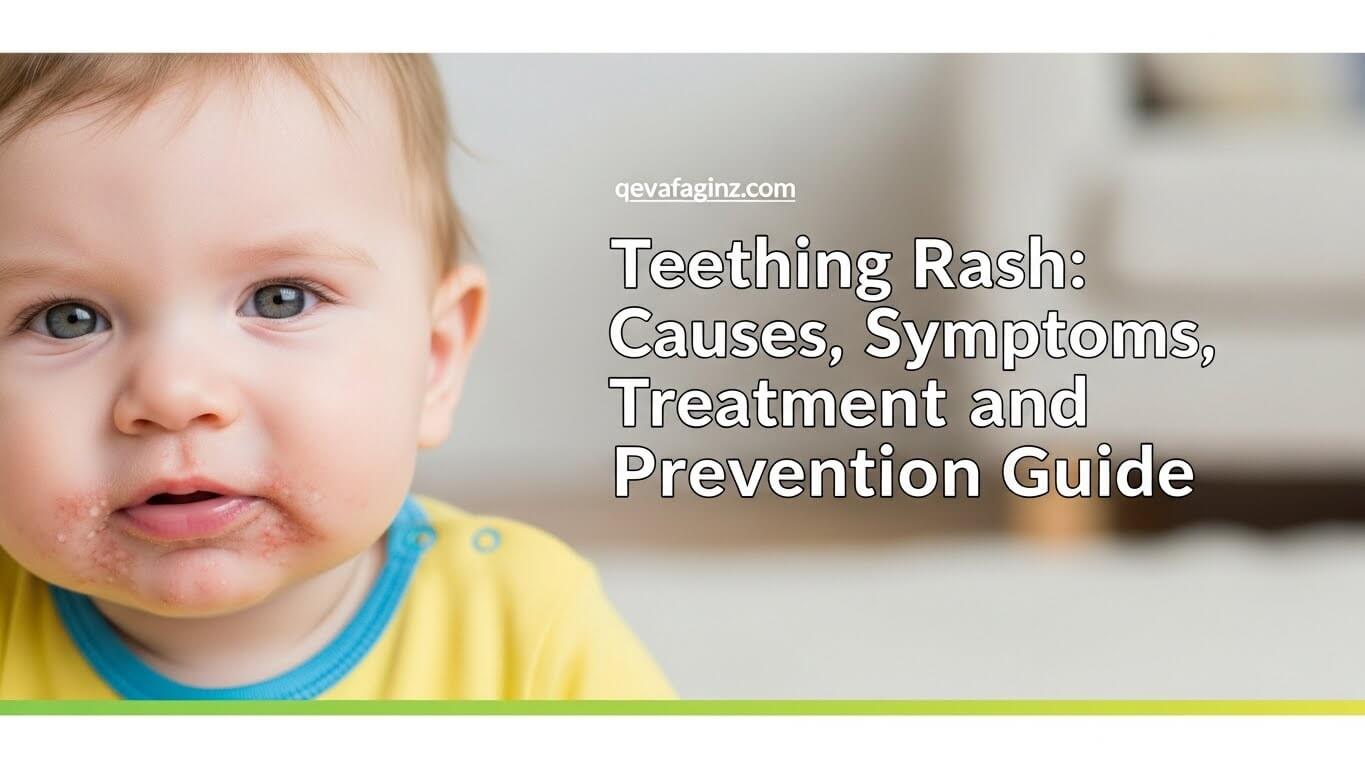
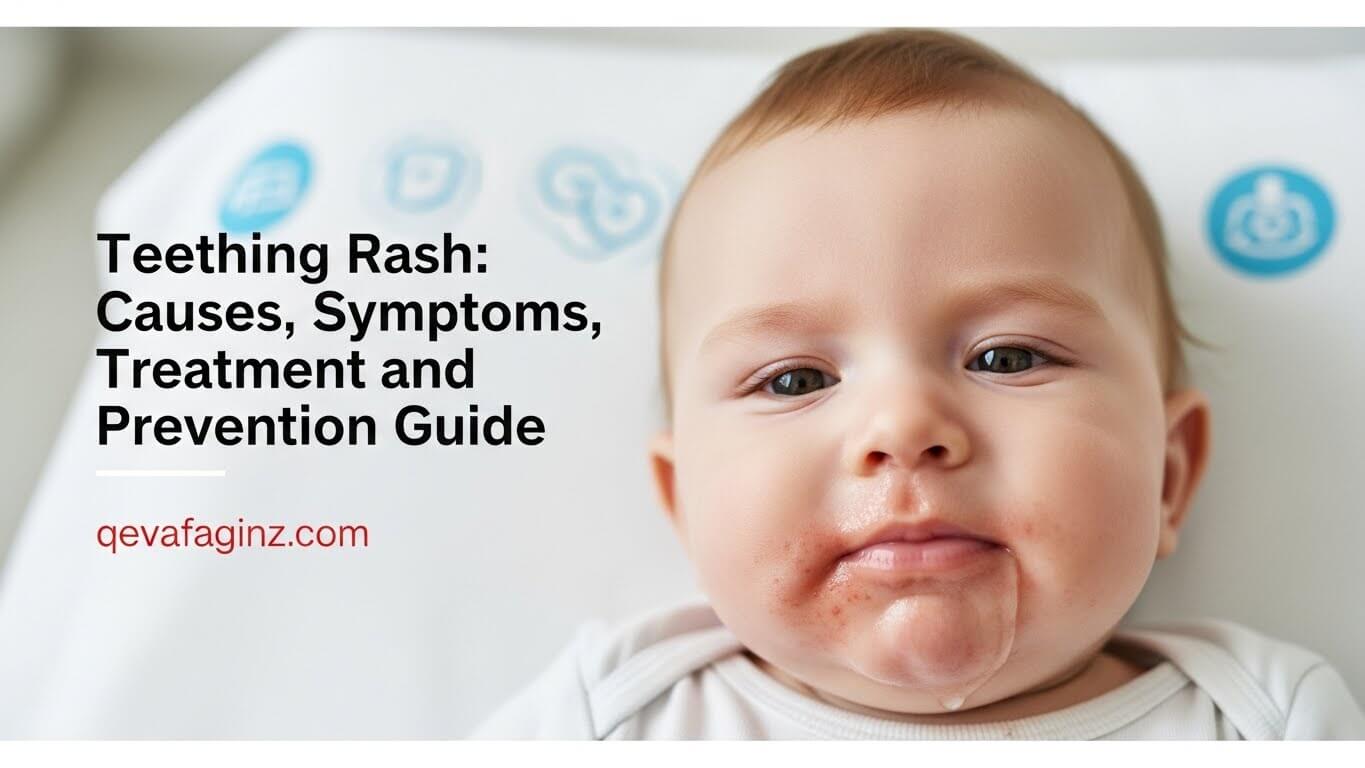
Teething rash is a skin irritation that develops in babies who are cutting their first teeth. This rash typically appears on the face, particularly around the mouth, chin, cheeks, and neck. The rash is usually red, slightly raised, and may have small bumps scattered throughout the affected areas. Teething rash is not a disease or infection but rather a reaction to the excess drool that babies produce when they are teething.
The constant moisture from saliva sitting on delicate baby skin irritates and leads to the development of this uncomfortable rash. Most babies begin teething between 4 and 7 months of age, though some may start earlier or later. During this time, their bodies produce more saliva than usual, which is the primary cause of the teething rash. Parents often confuse teething rash with other skin conditions, so knowing what to look for is important.
How Does Teething Cause a Rash?
Understanding the connection between teething and skin rashes helps parents better manage this common condition. When babies’ teeth, their bodies naturally produce excess saliva to help soothe their gums and aid in the tooth eruption process. This increased drool constantly flows out of the baby’s mouth and onto their skin. Baby skin is extremely delicate and sensitive compared to adult skin.
When saliva sits on this sensitive skin for extended periods, it breaks down the skin’s natural protective barrier. The digestive enzymes present in saliva further irritate the skin and cause inflammation. Additionally, the constant wiping of drool can create friction that worsens the irritation. The warm, moist environment created by drool also provides a perfect breeding ground for bacteria and yeast, which can sometimes lead to secondary infections if the teething rash is not properly managed.
Common Symptoms of Teething Rash
Recognizing teething rash is the first step toward treating it effectively. The most obvious symptom is redness on the skin around your baby’s mouth, chin, and cheeks. This redness may extend down to the neck and chest area in severe cases where drool runs down from the mouth. The affected skin often appears irritated, rough, or chapped to the touch. Small red bumps or patches may be scattered throughout the rash area. Some babies develop dry, flaky skin in the affected regions after the initial redness subsides.
The rash may come and go depending on how much your baby is drooling on any given day. You might notice the rash looks worse in the morning after your baby has been lying down and drool has pooled around their face. Unlike some other rashes, teething rash is usually not itchy, though some babies may seem uncomfortable when the affected area is touched.
Where Does Teething Rash Appear?
Teething rash most commonly appears in specific areas where drool accumulates on the skin. The chin is the most frequent location since drool naturally flows downward from the mouth and collects under the lower lip. The cheeks are another common area, especially the lower portions of the cheeks near the mouth. The skin around the lips often becomes red and chapped from constant moisture exposure.
Many babies develop a teething rash on their necks, particularly in the folds where drool can pool and remain trapped against the skin. The chest area may also be affected if your baby drools heavily and the moisture soaks through their clothing. Some babies even develop a rash on their hands and fingers because they constantly put their hands in their mouths during teething. Understanding where the teething rash typically appears helps you monitor these areas and take preventive measures.
Teething Rash vs Other Baby Rashes
It is important to distinguish a teething rash from other types of rashes that commonly affect babies. Eczema is a chronic skin condition that causes dry, itchy, and inflamed patches of skin. Unlike a teething rash, eczema often appears in the creases of the elbows and knees and tends to be very itchy. Heat rash develops when babies overheat, and their sweat glands become blocked, causing small red bumps typically on the chest, back, and diaper area.
Allergic reactions can cause hives or widespread rashes that may appear anywhere on the body and are often accompanied by other symptoms like swelling or difficulty breathing. Viral rashes from illnesses often come with fever and affect larger portions of the body. Teething rash is specifically located around areas where drool contacts the skin and is directly related to the teething process. If you are unsure what type of rash your baby has, consulting with your pediatrician is always a good idea.
How Long Does Teething Rash Last?
The duration of the teething rash varies depending on several factors. Generally, the teething rash will persist as long as your baby continues to drool excessively. This means the rash may last throughout the entire teething process, which can continue for months or even years as multiple teeth come in. However, with proper care and treatment, the severity of the rash can be significantly reduced.
Individual episodes of rash flare-ups typically improve within a few days to a week if you consistently keep the area clean and dry. Some babies experience a continuous mild rash throughout teething, while others have more noticeable flare-ups when specific teeth are erupting. Molars and canines, which come in later and are larger teeth, often cause more drooling and consequently worse teething rash episodes. Once your child finishes teething and drooling decreases, the rash should completely resolve.
Home Remedies for Teething Rash
Many effective home remedies can help soothe and heal a teething rash without requiring medical intervention. Keeping the affected area clean and dry is the most important step in treating teething rash at home. Gently pat your baby’s face dry throughout the day using a soft cloth whenever you notice drool accumulating. Avoid rubbing the skin, as this can cause additional irritation and make the rash worse. Applying a thin layer of petroleum jelly or a gentle barrier cream creates a protective layer between your baby’s skin and the drool.
Coconut oil is a natural option that many parents find effective for soothing irritated skin and providing moisture protection. Breast milk can also be applied to the rash, as it contains natural antibodies and healing properties. Keep your baby’s skin well-moisturized with a gentle, fragrance-free baby lotion when the rash begins to dry and flake. Using a humidifier in your baby’s room can help prevent the skin from becoming too dry during the healing process.
Medical Treatments for Teething Rash
While most cases of teething rash can be managed at home, some situations may require medical treatment. If the rash becomes severe, spreads significantly, or shows signs of infection, you should consult your pediatrician. Signs of infection include oozing, crusting, increased redness, swelling, or warmth in the affected area. Your doctor may prescribe a mild hydrocortisone cream to reduce inflammation and speed healing for stubborn rashes. If a bacterial or yeast infection has developed, antifungal or antibiotic creams may be necessary.
In cases where the teething rash is caused by or complicated by eczema, your pediatrician may recommend specific eczema treatments. Always follow your doctor’s instructions carefully when using any prescribed medications on your baby’s delicate skin. Never use adult skincare products or medications on babies without consulting a healthcare professional first.
Best Products for Teething Rash
Choosing the right products can make a significant difference in managing teething rash effectively. Look for barrier creams specifically designed for babies that contain ingredients like zinc oxide or petroleum jelly. These products create a waterproof layer that protects skin from drool damage. Fragrance-free and hypoallergenic products are best, as added fragrances and chemicals can further irritate sensitive baby skin.
Soft, absorbent bibs made from natural materials like cotton or bamboo help catch drool before it reaches your baby’s skin. Drool bibs with waterproof backing prevent moisture from soaking through to clothing and skin. Gentle, soap-free cleansers are ideal for cleaning the affected areas without stripping natural oils from your baby’s skin. Soft cloths or muslin squares are perfect for gently patting drool away throughout the day. When shopping for products, read ingredient lists carefully and choose options with minimal additives.
How to Prevent Teething Rash
Prevention is often easier than treatment when it comes to teething rash. The key to prevention is minimizing the amount of time drool sits on your baby’s skin. Keep soft cloths handy throughout the day and gently pat your baby’s face dry whenever you notice drool accumulating. Using drool bibs can catch saliva before it reaches the chin and neck, significantly reducing skin exposure to moisture.
Change bibs frequently throughout the day, as wet bibs held against the skin can worsen the problem. Apply a thin layer of barrier cream before naps and bedtime when you cannot actively monitor drool. Keep your baby’s face clean by gently washing with warm water and patting dry before applying protective cream. Dress your baby in clothing with high necklines or use bandana bibs to protect the chest and neck area. During sleep, consider placing an absorbent cloth under your baby’s head to catch drool and keep it away from their face.
Tips for Managing Drool
Managing your baby’s drool is essential for preventing and treating teething rash. Always have clean, soft cloths available wherever you go, whether at home, in the car, or out running errands. Pat drool gently rather than wiping, as wiping creates friction that can irritate already sensitive skin. Change your baby’s shirt or bib whenever it becomes wet with drool to prevent moisture from sitting against their skin.
Consider keeping your baby slightly upright when possible, as this position allows drool to fall away from the face rather than pooling around the chin and cheeks. Offer teething toys that can help redirect drool away from the face while satisfying your baby’s need to chew. Cold teething rings can also help reduce drool production temporarily by numbing the gums slightly. During feeding, wipe your baby’s face gently afterward to remove any milk or food mixed with drool that could cause additional irritation.
When to See a Doctor About Teething Rash
While a teething rash is usually harmless, certain situations warrant medical attention. You should contact your pediatrician if the rash does not improve after a week of consistent home treatment. Seek medical advice if the rash appears to be spreading beyond the typical areas affected by teething rash. Signs of infection such as pus, oozing, crusting, or increasing redness, require prompt medical evaluation.
If your baby develops a fever along with the rash, this could indicate an infection or illness unrelated to teething. Contact your doctor if your baby seems excessively uncomfortable, is refusing to eat, or is having trouble sleeping due to the rash. Any rash accompanied by difficulty breathing, swelling of the face or throat, or hives should be treated as a medical emergency. Trust your parental instincts. If something about the rash concerns you, seeking professional advice is always the right choice.
Connection Between Teething and Other Symptoms
A teething rash often accompanies other teething symptoms that parents should be aware of. Increased fussiness and irritability are common as babies experience discomfort from teeth pushing through their gums. Many babies have trouble sleeping during teething episodes due to gum pain and general discomfort. Excessive drooling is the primary symptom that leads to teething rash development.
Babies often want to chew on everything during teething to relieve gum pressure. Some babies experience slight changes in their eating habits, preferring cold foods or refusing certain textures. Mild ear pulling or cheek rubbing may occur as babies try to relieve the referred pain from their gums. While mild symptoms are normal, high fever, diarrhea, and severe rashes are not typical teething symptoms and should be evaluated by a doctor.
Myths About Teething Rash
Several myths about teething rash and teething in general persist among parents. One common myth is that teething causes a high fever. While teething may cause a slight elevation in body temperature, true fever is not a teething symptom and indicates illness. Another myth suggests that teething rash is contagious, but this is false. A teething rash is simply a skin reaction to drool and cannot spread to other children.
Some people believe that the teething rash only affects certain babies, but in reality, any teething baby who drools excessively can develop this rash. The myth that you should let the teething rash dry out completely is also incorrect. Keeping the skin appropriately moisturized and protected is essential for healing. Finally, some parents think teething rash indicates poor hygiene, which is untrue. Even the most carefully tended babies can develop a teething rash during heavy drooling periods.
Long-Term Effects of Teething Rash
Parents often worry about whether a teething rash will cause lasting damage to their baby’s skin. The good news is that a teething rash typically does not cause any permanent effects when properly managed. Once teething ends and drooling decreases, the skin usually heals completely without scarring or lasting changes. However, repeatedly irritated skin that becomes infected may potentially cause temporary discoloration or texture changes that fade over time.
Keeping the rash under control throughout the teething process minimizes any risk of long-term effects. Babies who develop severe or frequent teething rash should be monitored for underlying skin sensitivities that may persist beyond teething. Overall, teething rash is a temporary condition that resolves completely in the vast majority of cases. With proper care and attention, your baby’s skin will return to its normal, healthy state once this challenging phase passes.
Conclusion
Teething rash is a common and manageable condition that affects many babies during the teething process. Understanding that excess drool causes this rash helps parents take appropriate preventive and treatment measures. Keeping your baby’s skin clean, dry, and protected with barrier creams is the most effective strategy for managing teething rash.
While home remedies work well for most cases, knowing when to seek medical attention ensures your baby receives proper care if complications arise. Remember that teething is a temporary phase, and with patience and consistent care, your baby will get through it with healthy, happy skin.