Introduction
Stretch marks are a widespread skin concern that affects people of all ages, genders, and body types. Almost everyone gets stretch marks at some point in life, yet many people feel confused, worried, or even embarrassed about them. The truth is that stretch marks are a natural and harmless part of the body, but understanding them can help you reduce their appearance and feel more confident in your skin.
This article explains stretch marks in simple words, covering what they are, why they happen, how to treat them, and what really works over time.
What Are Stretch Marks?

Stretch marks are lines or streaks that appear on the skin when it stretches or shrinks quickly. They usually look like thin stripes and may be pink, red, purple, brown, or white depending on your skin tone and how old the stretch marks are. Stretch marks form in the middle layer of the skin when collagen and elastin fibers break due to sudden stretching.
They are not a disease, not dangerous, and not a sign of poor health. They are simply a response of the skin to change.
Why Do Stretch Marks Occur?
Stretch marks happen when the skin is forced to stretch faster than it can naturally handle. This rapid stretching causes small tears in the deeper layer of the skin. As the skin heals, stretch marks appear on the surface.
Hormones also play a role. Certain hormones weaken the skin fibers, making them more likely to tear when stretched. This is why stretch marks are very common during periods of growth or body change.
Common Causes of Stretch Marks
There are many reasons why stretch marks appear, and often it is a combination of factors rather than a single cause.
Pregnancy is one of the most common causes, especially on the belly, hips, thighs, and breasts. Rapid weight gain or weight loss can also stretch the skin quickly. Puberty causes growth spurts that lead to stretch marks on the back, thighs, or shoulders. Bodybuilding and muscle growth can create stretch marks on the arms and chest. Genetics also matter, as some people naturally have more elastic skin than others.
Stretch Marks During Pregnancy
Stretch marks during pregnancy are extremely common and normal. As the baby grows, the skin on the stomach stretches rapidly. Hormonal changes during pregnancy also make the skin more sensitive and less elastic.
Most pregnancy stretch marks start as red or purple lines and slowly fade after childbirth. While they may never fully disappear, they usually become much less noticeable with time and proper skin care.
Stretch Marks in Men and Women
Stretch marks are often associated with women, but men get stretch marks too. In men, stretch marks commonly appear on the shoulders, arms, lower back, and thighs. This often happens during puberty, weight changes, or muscle building.
Women may notice stretch marks on the hips, thighs, breasts, stomach, and buttocks. Hormonal changes during pregnancy, puberty, and menopause can increase the chances of stretch marks forming.
Different Types of Stretch Marks

Stretch marks change color and texture over time. New stretch marks are usually red, pink, or purple. These are called early-stage stretch marks and respond better to treatment. Older stretch marks fade to white or silver and may appear slightly indented. These are more difficult to treat but can still be improved.
The color of stretch marks also depends on skin tone. Darker skin may show brown or dark lines, while lighter skin shows pink or white marks.
Are Stretch Marks Permanent?
Stretch marks are permanent in the sense that they do not completely disappear. However, they do fade significantly over time. With the right treatments and consistent care, stretch marks can become much less visible and blend more naturally with the surrounding skin.
It is important to have realistic expectations. The goal is improvement, not perfection.
Natural Remedies for Stretch Marks
Many people prefer natural remedies for stretch marks because they are gentle and affordable. Natural oils like coconut oil, almond oil, and olive oil help keep the skin moisturized and improve elasticity. Aloe vera is known for its soothing and healing properties and may help improve skin texture with regular use.
Shea butter and cocoa butter are also popular choices because they deeply hydrate the skin. While natural remedies may not remove stretch marks completely, they can help soften the skin and improve its appearance over time.
Best Oils for Stretch Marks
Oils work best when used consistently and massaged into the skin. Rosehip oil is rich in vitamins and helps support skin repair. Vitamin E oil helps protect skin cells and improve moisture levels. Argan oil improves skin elasticity and softness.
Using oils after a shower, when the skin is still slightly damp, helps lock in moisture and gives better results.
Medical Treatments for Stretch Marks

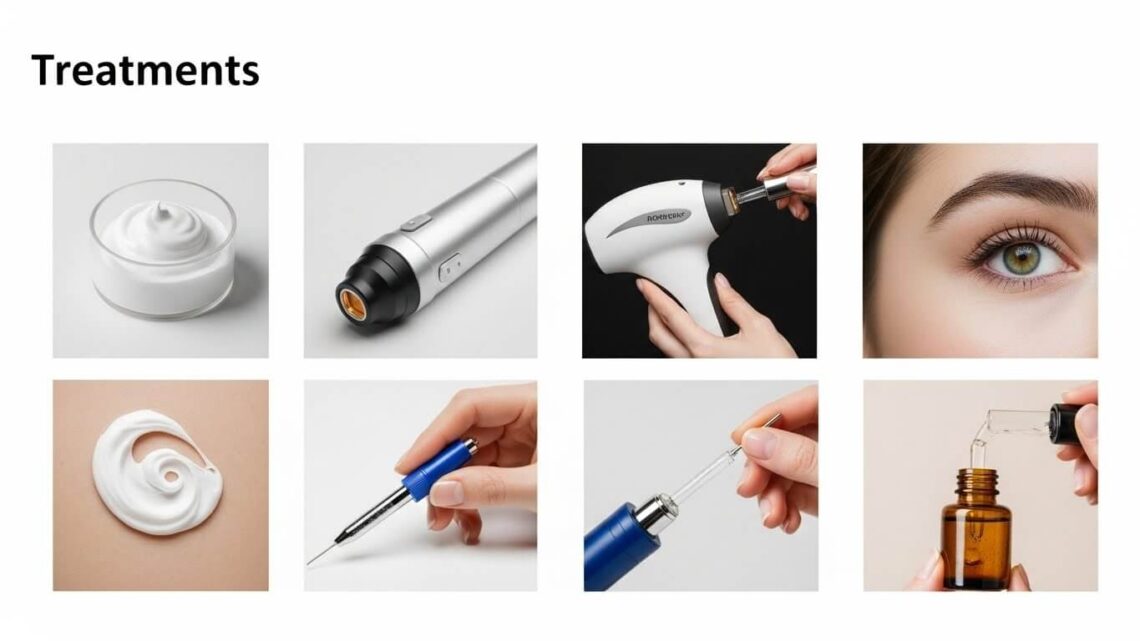
Medical treatments can offer stronger results, especially for older stretch marks. Laser therapy helps stimulate collagen production and improve skin texture. Microneedling creates tiny injuries in the skin to boost natural healing and collagen growth.
Chemical peels remove the top layer of skin and encourage new skin growth. Retinoid creams, prescribed by doctors, can help improve early stretch marks by increasing collagen production. These treatments should always be done under professional guidance.
Stretch Mark Creams: Do They Really Work?
Stretch mark creams can help, but results vary. Creams that contain retinol, hyaluronic acid, peptides, or vitamin C are more effective than basic moisturizers. These ingredients support collagen and skin repair.
Consistency is key. Creams need to be applied daily for several months to show visible improvement. They work best on newer stretch marks rather than old white ones.
How Long Do Stretch Marks Take to Fade?
Stretch marks fade slowly. New stretch marks may take several months to lighten, while older ones may take years to become less noticeable. The fading process depends on skin type, age, genetics, and treatment methods.
Patience is important. Skin healing takes time, and no treatment works overnight.
Can You Prevent Stretch Marks?
You cannot completely prevent stretch marks, but you can reduce the risk. Keeping your skin well hydrated helps maintain elasticity. Drinking enough water supports overall skin health. Gaining weight gradually rather than quickly reduces sudden skin stretching.
Using moisturizers and oils regularly during pregnancy or growth periods may also help reduce the severity.
Diet and Stretch Marks
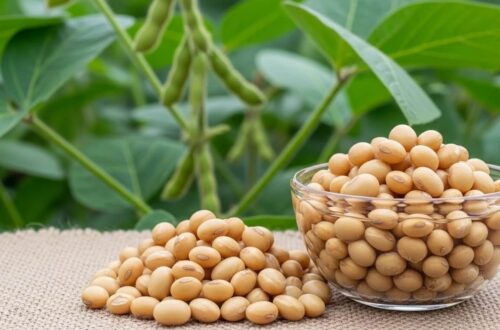
A healthy diet supports skin strength and elasticity. Foods rich in vitamin C help collagen production. Zinc supports skin repair. Protein is essential for skin structure. Omega-3 fatty acids keep skin soft and flexible.
Eating a balanced diet will not erase stretch marks, but it supports healthier skin and better healing.
Stretch Marks and Self-Confidence
Stretch marks can affect how people feel about their bodies, especially in a world that promotes unrealistic beauty standards. It is important to remember that stretch marks are natural and extremely common.
Many people, including athletes, models, and celebrities, have stretch marks. Learning to accept them is part of self-care and self-love.
Myths About Stretch Marks
There are many myths about stretch marks. One common myth is that only overweight people get stretch marks, which is not true. Another myth is that stretch marks mean unhealthy skin, which is also false.
Stretch marks are not caused by poor hygiene, and they are not contagious. Understanding the truth helps reduce unnecessary worry.
When to See a Doctor About Stretch Marks

Most stretch marks do not require medical attention. However, if stretch marks appear suddenly without weight change or growth, it may be linked to a hormonal condition. A doctor can help identify the cause and suggest treatment options.
Final Thoughts
Stretch marks are a natural part of life and a sign that the body has grown, changed, or adapted. While they cannot be erased completely, there are many ways to reduce their appearance and improve skin health. The most important thing is to treat your skin with care and kindness.