Introduction
Glute stretches are often ignored, yet they play a huge role in how your body moves and feels every day. Your glute muscles help you walk, sit, stand, run, and even keep your balance. When these muscles become tight or weak, they can cause discomfort in the hips, lower back, and legs. This guide is designed to fully explain glute stretches in a clear, simple, and human way so anyone can understand and apply them easily in daily life.
What Are Glute Stretches and Why Do They Matter

Glute stretches are movements that gently lengthen the muscles in your buttocks. These muscles include the gluteus maximus, gluteus medius, and gluteus minimus. When stretched regularly, they become more flexible and relaxed. This helps reduce stiffness, improves movement, and lower the chance of pain or injury. Many people sit for long hours, and glute stretches help undo the tightness caused by sitting too much.
Understanding the Glute Muscles in Simple Words
The glute muscles are located at the back of your hips. They support your body when you move and help control your posture. Strong and flexible glutes protect your lower back and knees. When these muscles are tight, they pull on nearby areas, creating discomfort. Glute stretches allow these muscles to relax and move freely again.
Why Tight Glutes Are a Common Problem Today
Modern lifestyles involve a lot of sitting, whether at school, work, or home. Sitting for long periods keeps the glutes inactive, making them tight and weak over time. This tightness often goes unnoticed until pain appears. Glute stretches help reverse this issue by waking up the muscles and restoring natural movement.
Benefits of Doing Glute Stretches Daily
Glute stretches offer many benefits when done consistently. They improve flexibility, reduce muscle stiffness, and support better posture. They can also ease lower back tension and help your hips move more smoothly. Over time, stretching the glutes can improve athletic performance and make everyday movements feel easier and more comfortable.
Glute Stretches for Better Hip Mobility
Your hips depend on healthy glutes to move properly. When the glutes are tight, hip movement becomes limited. Glute stretches increase hip flexibility, allowing smoother movement when walking, squatting, or climbing stairs. Improved hip mobility also reduces strain on other muscles that try to compensate for tight glutes.
Glute Stretches and Lower Back Relief
Many people experience lower back discomfort without realizing the cause is tight glutes. When the glutes do not move freely, the lower back works harder to support the body. Glute stretches help reduce this extra pressure. Stretching regularly can create noticeable relief and improve overall comfort.
Best Time to Do Glute Stretches
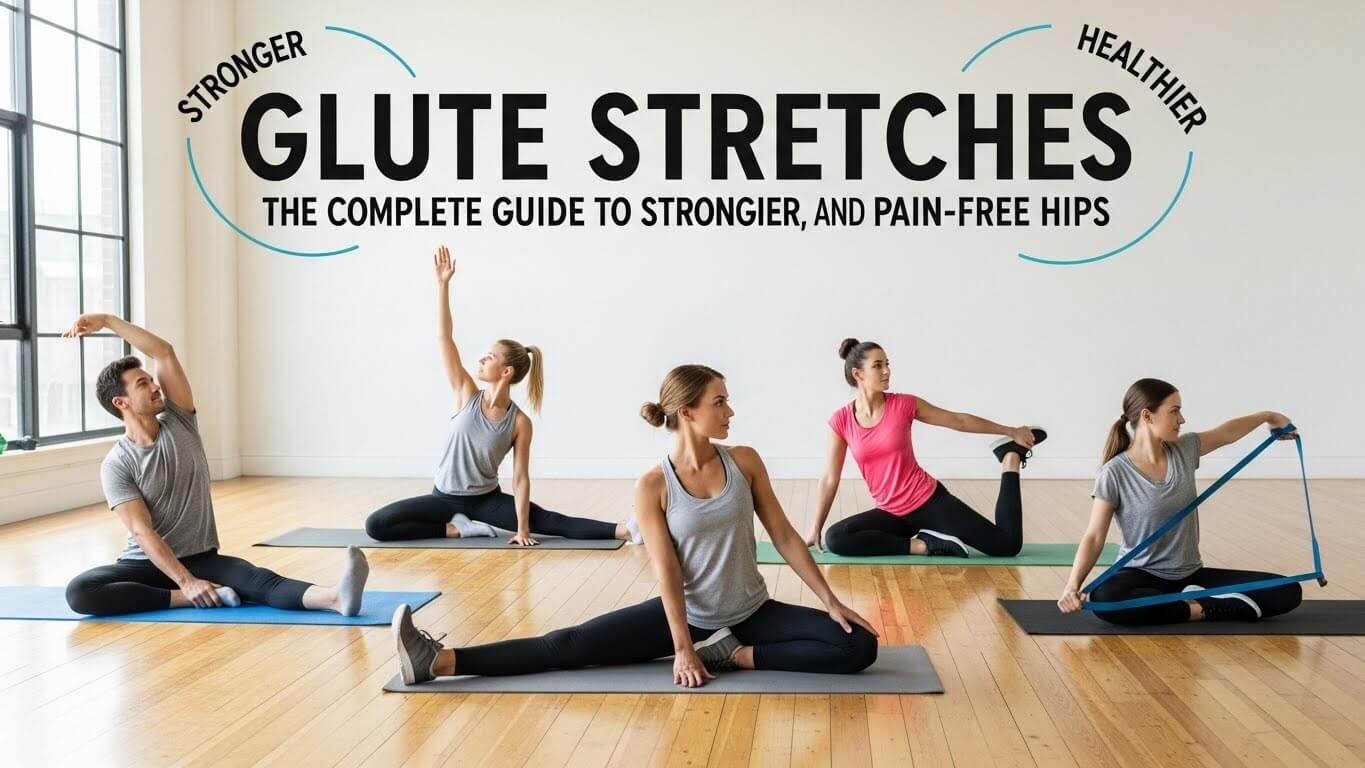
Glute stretches can be done many times throughout the day. They work well after exercise when muscles are warm. They are also helpful in the morning to reduce stiffness or in the evening to relax the body. Doing glute stretches after long periods of sitting can instantly improve comfort and movement.
Seated Glute Stretches for Daily Comfort
Seated glute stretches are perfect for people who spend a lot of time sitting. These stretches can be done on a chair or the floor. They gently open the hips and relax tight muscles without requiring much effort. This makes them ideal for beginners or anyone with limited mobility.
Standing Glute Stretches for Balance and Strength
Standing glute stretches help improve balance while stretching the muscles. These stretches activate the core and legs while loosening the glutes. They are great for warming up before physical activity and improving coordination. Standing glute stretches also prepare the body for movement.
Lying Down Glute Stretches for Deep Relaxation
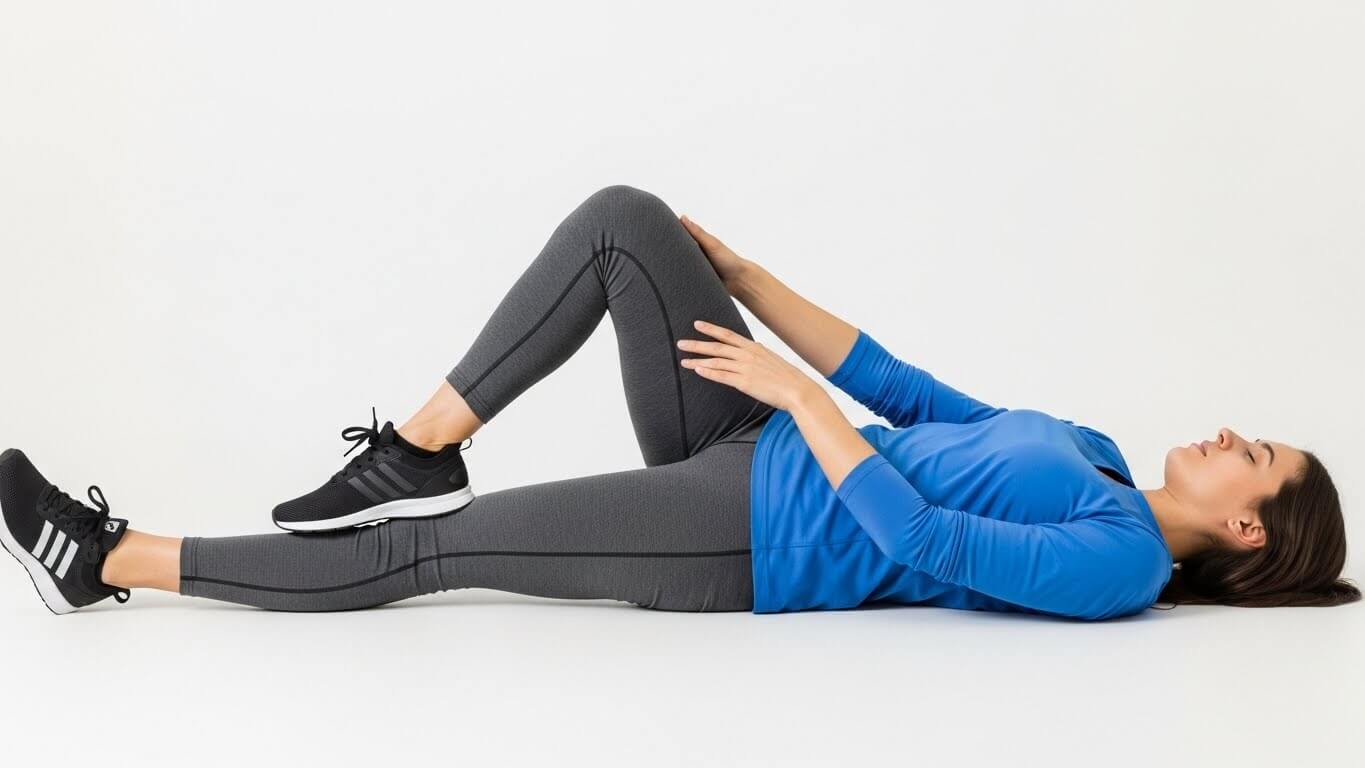
Lying down glute stretches allow the body to fully relax while stretching deeply. These stretches reduce pressure on the joints and are helpful for people with back discomfort. They are commonly used during cool-down routines and before sleep to calm the body and mind.
Glute Stretches for Athletes and Active People
Athletes rely heavily on their glutes for speed, strength, and stability. Tight glutes can limit performance and increase injury risk. Glute stretches help maintain flexibility, support recovery, and improve movement efficiency. Stretching the glutes regularly allows athletes to train harder and move better.
Glute Stretches for Beginners

Beginners should start slowly with gentle glute stretches. It is important to focus on breathing and avoid forcing any movement. Over time, flexibility improves naturally. Glute stretches should feel comfortable, not painful. Starting simple builds confidence and prevents strain.
How Long to Hold Glute Stretches
Most glute stretches should be held for 20 to 30 seconds. Holding longer allows the muscles to relax fully. Repeating each stretch two or three times can increase benefits. Slow breathing during stretches helps the body release tension and improves overall effectiveness.
Common Mistakes When Doing Glute Stretches

One common mistake is rushing through stretches without proper form. Another is stretching cold muscles, which can lead to discomfort. Some people also hold their breath, which increases tension. Glute stretches should be slow, controlled, and paired with steady breathing for the best results.
Glute Stretches and Injury Prevention
Flexible glutes help protect the hips, knees, and lower back from injury. When the glutes move well, other muscles do not have to overwork. Glute stretches improve muscle balance and reduce stress on joints. This makes them an important part of injury prevention routines.
Combining Glute Stretches With Strength Exercises
Stretching and strengthening work best together. After doing glute stretches, the muscles become more ready for movement. Strong glutes support better posture and reduce pain. A balanced routine that includes both stretching and strengthening leads to long-term comfort and mobility.
How Often You Should Do Glute Stretches
Glute stretches can be done daily, especially for people who sit a lot. Even five to ten minutes a day can make a difference. Consistency is more important than intensity. Regular stretching keeps the glutes flexible and healthy over time.
Glute Stretches for Overall Body Wellness
Healthy glutes support the entire body. They help with balance, movement, and posture. Glute stretches improve circulation and reduce muscle tension. Over time, they contribute to better physical comfort and overall well-being.
Listening to Your Body While Stretching
It is important to listen to your body during glute stretches. Stretching should feel gentle and relieving, not painful. If discomfort appears, easing off is the best choice. Everyone’s body is different, so stretches should be adjusted to personal comfort levels.
Final Thoughts
Glute stretches are simple, effective, and beneficial for people of all activity levels. They help reduce tightness, improve movement, and support daily comfort. When practiced regularly, glute stretches become a powerful tool for maintaining a healthy and active body.