Introduction
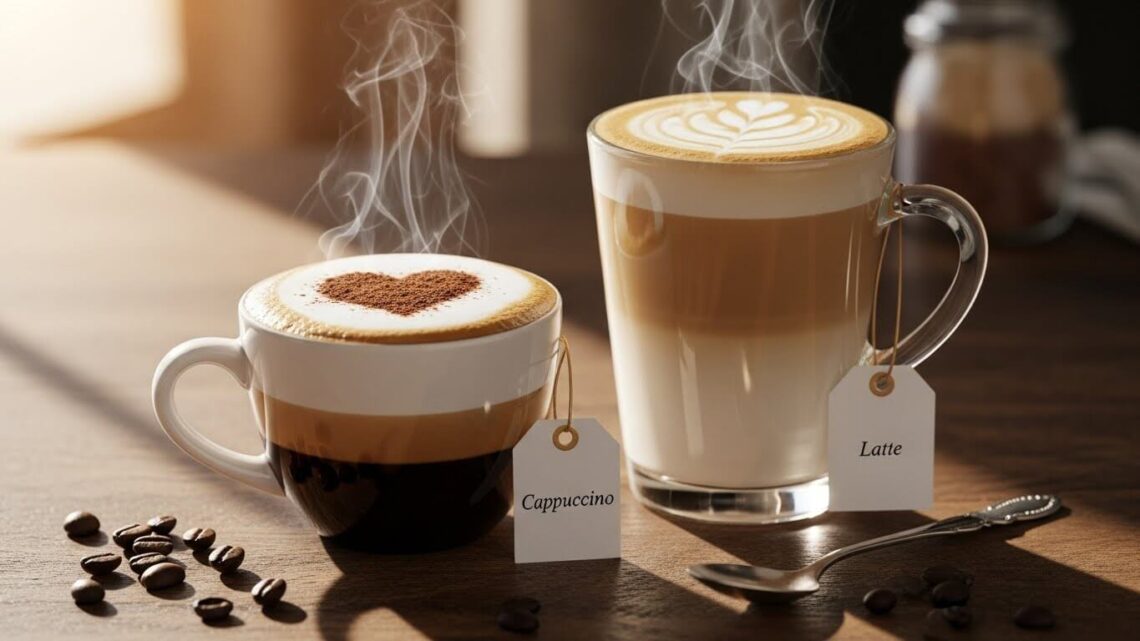
Coffee is more than just a drink. For many people, it’s a daily ritual, a comfort, and sometimes even a personality trait. Walk into any café, and you’ll hear familiar orders like “one cappuccino” or “large latte.” But when it comes to cappuccino versus latte, the difference isn’t always clear. They look similar, smell amazing, and both start with espresso. So what really sets them apart?
This article breaks down cappuccino versus latte in the simplest way possible. No complicated barista language. Just clear explanations, real differences, and helpful tips so you can order with confidence next time. By the end, you’ll know exactly which one suits your taste, mood, and lifestyle.
What Does Cappuccino Versus Latte Mean?
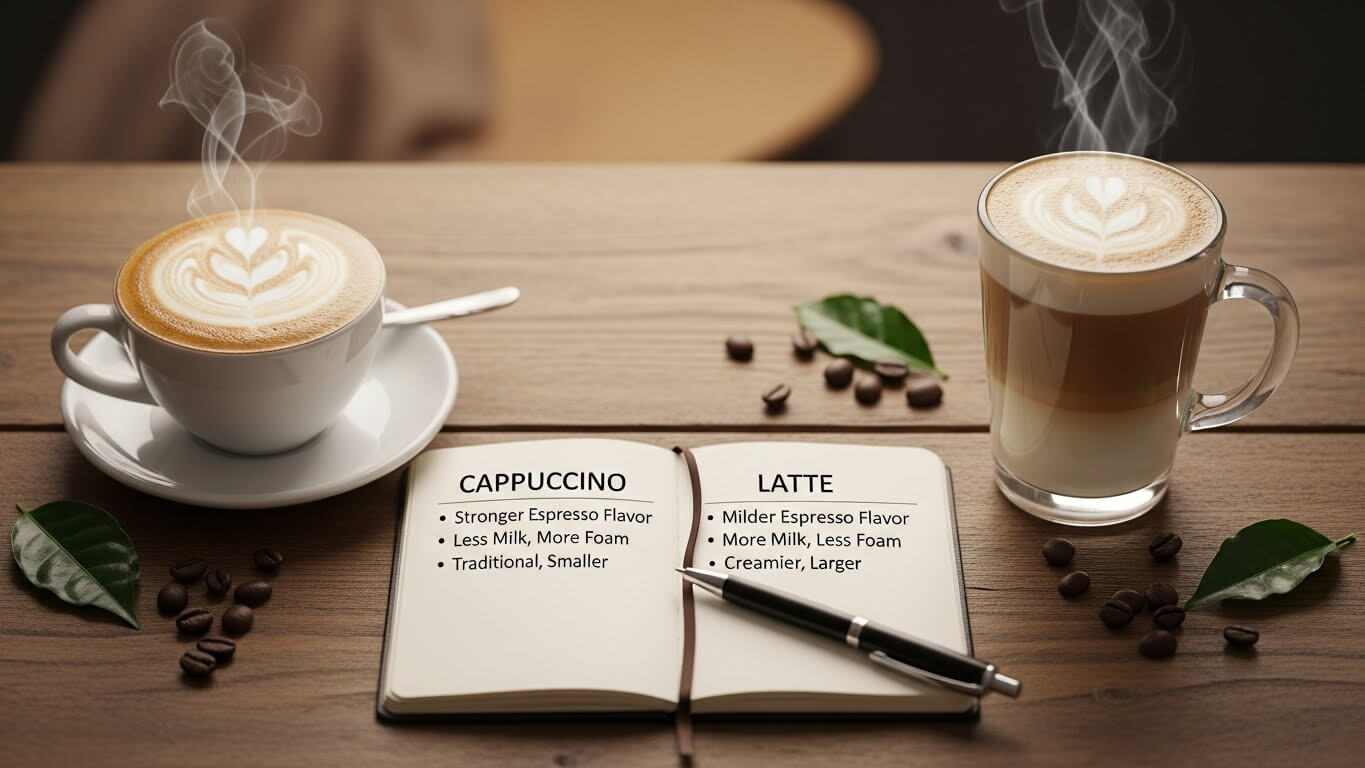
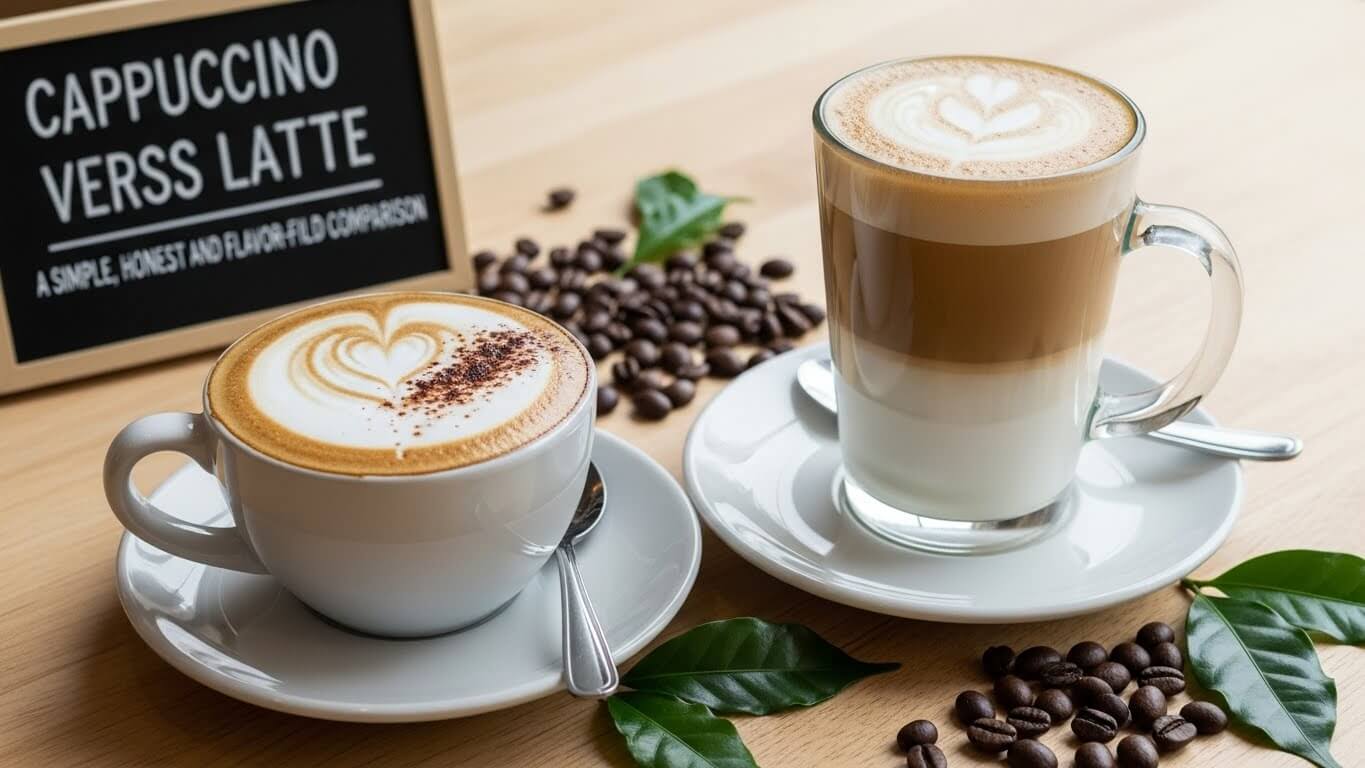
The phrase cappuccino versus latte compares two classic espresso-based coffee drinks. Both are made using espresso and milk, but the way they’re prepared, textured, and served creates very different experiences.
It’s not about which is better overall. It’s about which is better for you.
The Common Ground: Espresso as the Base
Both cappuccinos and lattes start with espresso. Espresso is a concentrated coffee brewed by forcing hot water through finely ground beans. This strong base gives both drinks their rich coffee flavor.
Everything that comes after the espresso is where the real difference begins.
What Is a Cappuccino?
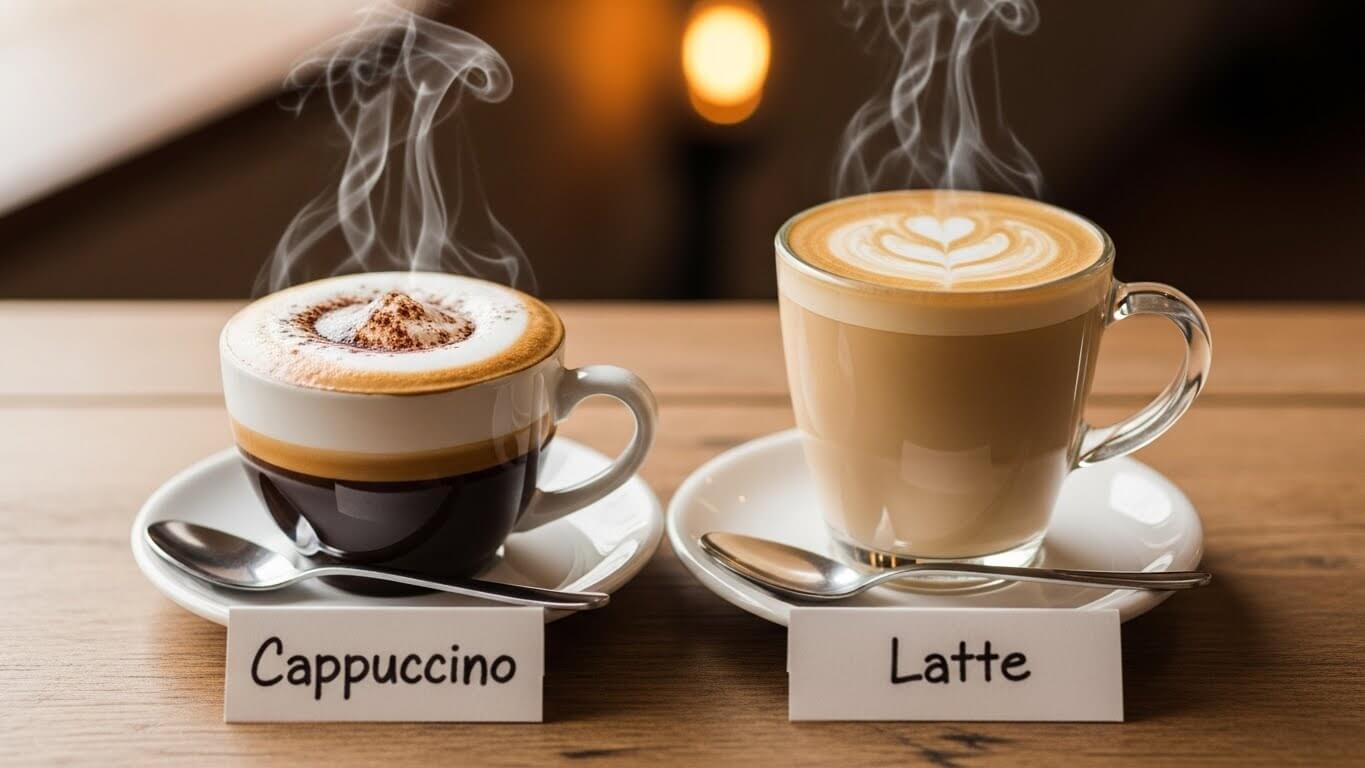
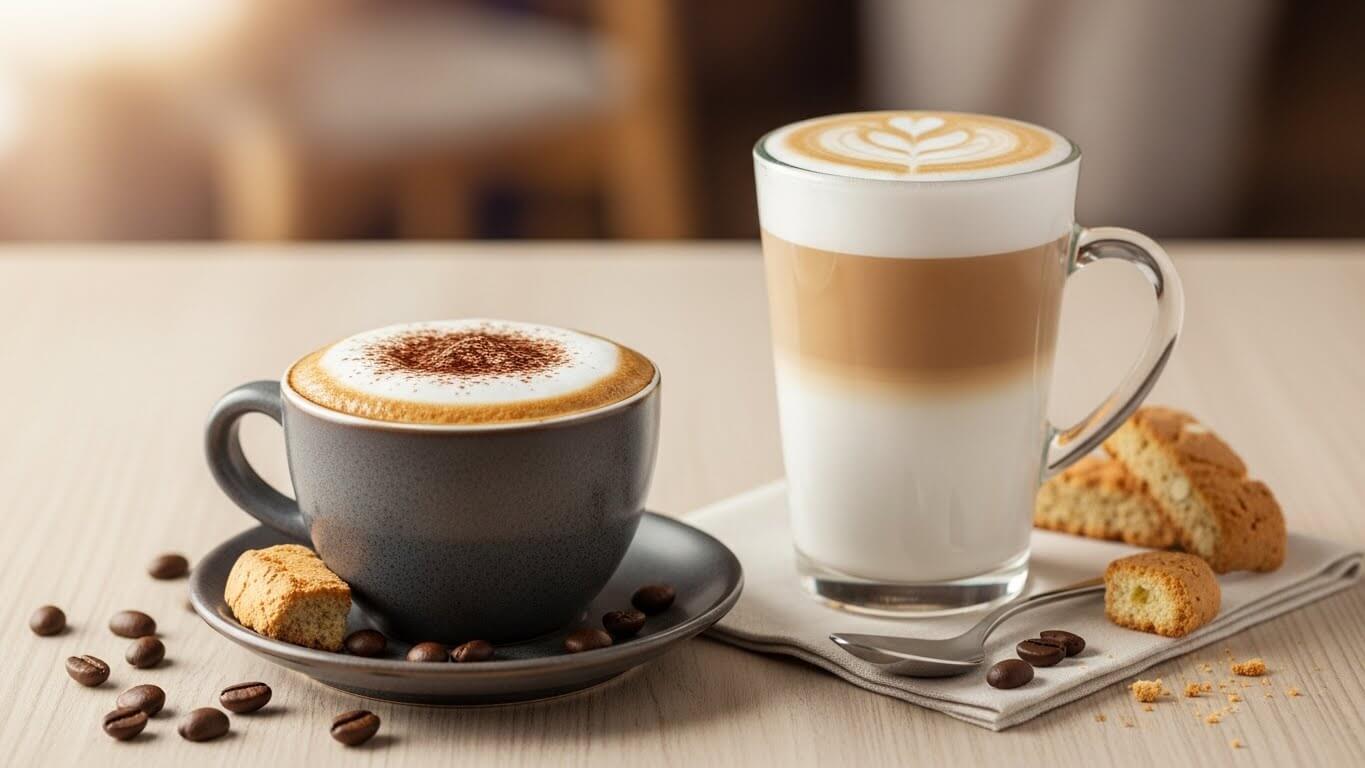
A cappuccino is a balanced coffee drink made with equal parts espresso, steamed milk, and milk foam. Traditionally, it’s served in a smaller cup and has a bold coffee taste.
The thick foam layer on top is one of its defining features. It traps heat and adds a light, airy texture with every sip.
What Is a Latte?
A latte, also known as a caffè latte, is made with espresso and a larger amount of steamed milk, topped with a thin layer of foam. It’s creamier, smoother, and more milk-forward than a cappuccino.
Lattes are usually served in larger cups, making them feel more like a full drink rather than a quick coffee shot.
Milk Ratio: The Biggest Difference
When talking about cappuccino versus latte, the milk ratio is the key factor.
A cappuccino uses less milk and more foam, which keeps the espresso flavor strong. A latte uses more milk and very little foam, which softens the coffee taste and creates a creamy texture.
If a cappuccino is bold and airy, a latte is smooth and comforting.
Texture and Mouthfeel Compared
Cappuccinos feel light and fluffy because of the thick foam. Each sip delivers a mix of strong coffee and airy milk.
Lattes feel silky and smooth. The steamed milk blends fully with the espresso, creating a gentle and even texture from start to finish.
Your preference here often comes down to how you like your coffee to feel, not just taste.
Flavor Strength: Bold vs Mild
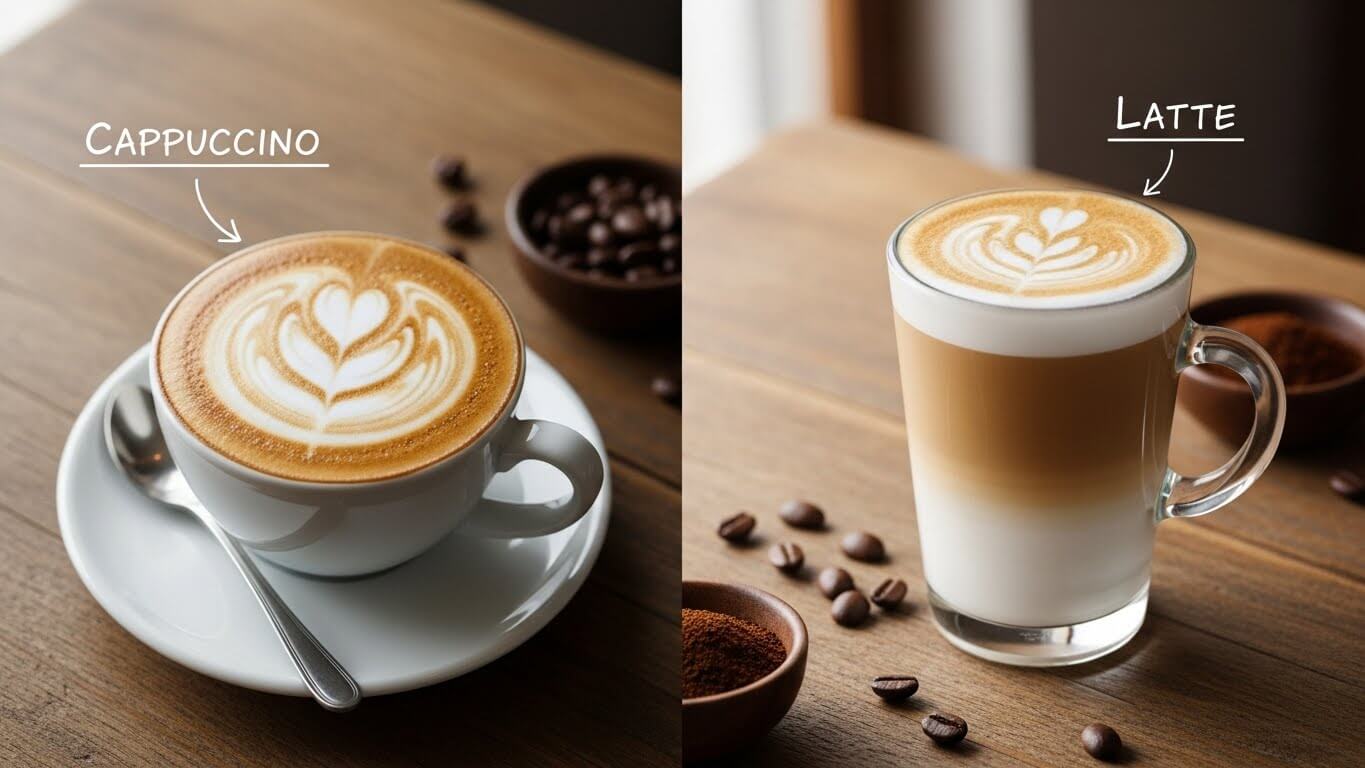
In the cappuccino versus latte debate, cappuccinos usually taste stronger. Less milk means the espresso stands out more clearly.
Lattes taste milder and sweeter because milk naturally softens bitterness. That’s why lattes are often chosen by people who are new to coffee.
Cup Size and Presentation
Cappuccinos are typically served in smaller cups, often around 5 to 6 ounces. This keeps the drink concentrated and warm.
Lattes are served in larger cups, sometimes 10 to 16 ounces or more. This allows for extra milk and creative latte art on top.
Foam: Thick vs Thin
Foam is a major part of the cappuccino experience. It’s thick, dry, and sits proudly on top of the drink.
Latte foam is thinner and wetter. It blends into the milk and is often used as a canvas for designs like hearts or leaves.
Calories and Nutrition Differences
Because lattes contain more milk, they usually have more calories than cappuccinos. Cappuccinos are lighter if made with the same type of milk.
If you’re watching calorie intake, cappuccinos may be the better option, especially when made with low-fat milk.
Which One Has More Caffeine?
Surprisingly, both drinks usually contain the same amount of caffeine because they often use one shot of espresso.
The difference in taste may make cappuccinos feel stronger, but caffeine content is typically equal.
Cappuccino Versus Latte for Beginners
For coffee beginners, lattes are often easier to enjoy. The extra milk reduces bitterness and creates a comforting flavor.
Cappuccinos can feel intense for first-timers but are perfect for those who want a stronger coffee experience without drinking straight espresso.
Customization Options
Lattes are extremely customizable. You can add flavors like vanilla, caramel, or hazelnut easily.
Cappuccinos are less commonly flavored, as syrups can interfere with the foam texture. They’re usually enjoyed closer to their classic form.
Temperature Differences
Cappuccinos are often slightly cooler because of the foam. Foam insulates but doesn’t carry as much heat as milk.
Lattes tend to be warmer due to the larger volume of steamed milk.
When to Choose a Cappuccino
Choose a cappuccino if you:
- Love bold coffee flavor
- Enjoy light, airy foam
- Want a smaller, quicker drink
It’s ideal for morning energy boosts.
When to Choose a Latte
Choose a latte if you:
- Prefer creamy, smooth drinks
- Like flavored coffee
- Want a longer, relaxing coffee experience
It’s perfect for slow mornings or afternoon breaks.
Cultural Origins of Cappuccino Versus Latte
Cappuccino comes from Italy and is traditionally a morning drink. Lattes became popular worldwide, especially in cafés that emphasize customization and comfort.
Understanding their origins adds depth to the cappuccino versus latte comparison.
Which One Is Healthier?
Neither drink is unhealthy on its own. Cappuccinos may be lighter in calories, while lattes offer more calcium and protein from milk.
Health depends on portion size, milk choice, and added sugars.
Conclusion
The difference between cappuccino versus latte comes down to milk, foam, and personal preference. Cappuccinos highlight espresso with thick foam and strong flavor, while lattes focus on creamy milk and smooth texture. Once you understand these differences, ordering coffee becomes less confusing and much more enjoyable.
FAQs
- Is cappuccino stronger than latte?
Yes, cappuccino tastes stronger due to less milk. - Can I add flavors to a cappuccino?
You can, but flavors work better in lattes. - Which is better for weight loss?
Cappuccino usually has fewer calories. - Are cappuccinos and lattes Italian?
Cappuccino is traditional Italian; latte evolved globally. - Can both be made with plant milk?
Yes, both work well with almond, soy, or oat milk.