Introduction
The cleft chin is one of those facial features people notice quickly. Some see it as charming, some see it as unique, and others simply see it as a normal part of human variety. If you have ever wondered what a cleft chin means, where it comes from, or why some people have it, and others do not, you are not alone. This article explains everything about the cleft chin in simple words, using real understanding instead of myths or exaggeration.
This is a human, natural, and honest guide written to help you understand the cleft chin clearly, without confusion or unnecessary technical language.
What Is a Cleft Chin?
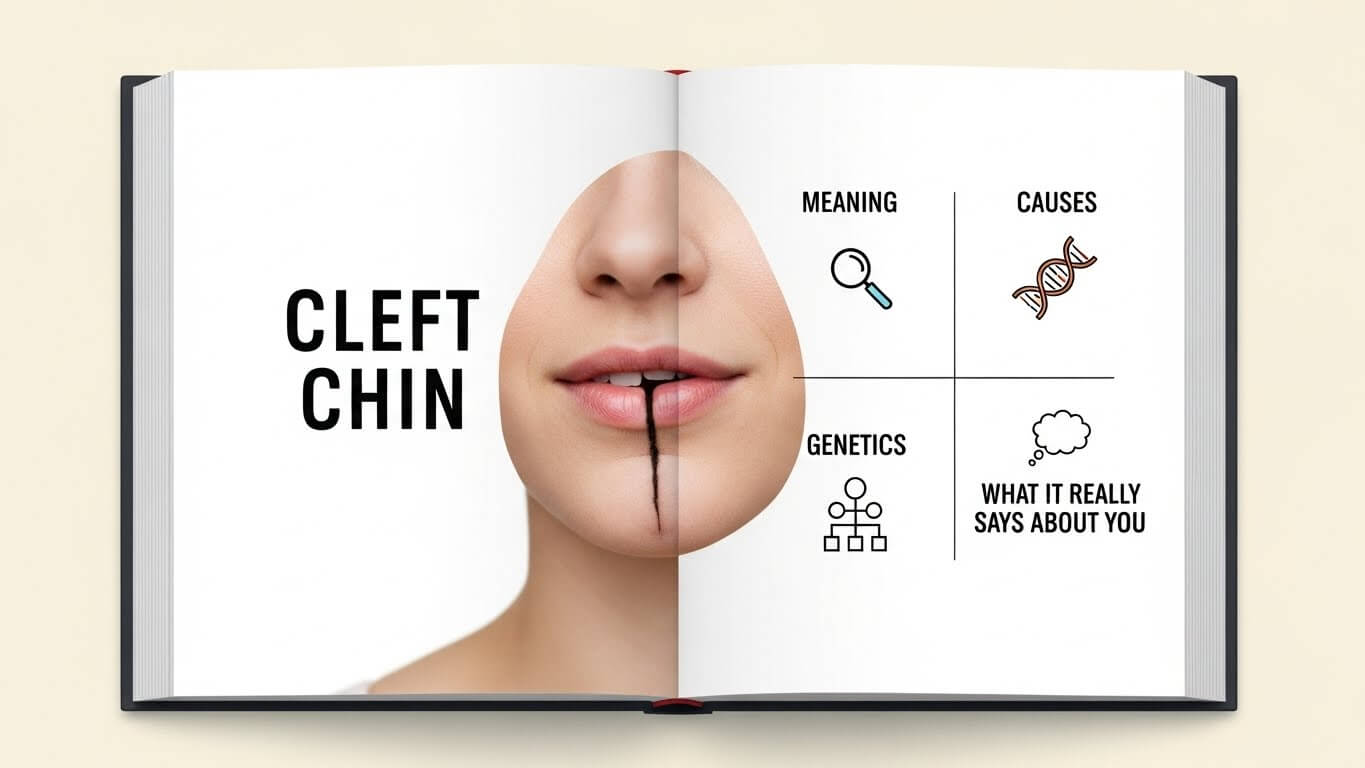
A cleft chin is a small visible line, dent, or split in the middle of the chin. It can be deep or very subtle. Some people call it a “dimpled chin” or “butt chin,” though the medical and proper term is cleft chin.
Not everyone has a cleft chin. Some chins are smooth, while others have a noticeable separation. Both are completely normal and healthy facial traits.
Why the Cleft Chin Exists
The cleft chin exists because of how the face develops before birth. When a baby is growing, the lower jaw forms from two sides that usually fuse. In some people, this fusion is not complete, leaving a small gap or indentation.
This does not affect health, eating, speaking, or breathing. It is purely a cosmetic difference and part of natural human diversity.
Is a Cleft Chin Genetic?
Yes, a cleft chin is mostly genetic. That means it is passed down through family genes. If one or both parents have a cleft chin, there is a higher chance their child will have one too.
However, genetics are not always predictable. Sometimes a person can have a cleft chin even if no one else in the family has one. Genes can skip generations or combine in unexpected ways.
Dominant and Recessive Traits Explained Simply
Many people hear that the cleft chin is a dominant trait. In simple words, a dominant trait is more likely to show up if at least one parent carries the gene.
That said, human genetics are more complex than school textbooks suggest. Facial features are influenced by multiple genes, not just one. This is why cleft chins vary so much in shape and depth.
Different Types of Cleft Chins

Not all cleft chins look the same. Some are very deep and obvious, while others are soft and barely visible. Some appear as a single line, while others look like a small round dent.
The appearance of a cleft chin depends on muscle structure, bone shape, and skin thickness. This is why two people with cleft chins may look completely different.
Cleft Chin in Men vs Women
Cleft chins are often more noticeable in men than women, mainly because of differences in bone structure and facial muscles. Stronger jawlines can make the cleft appear deeper.
In women, cleft chins may look softer or more subtle. However, this does not make them less attractive or less important. Beauty standards change, but natural features remain valuable.
Cultural Views on the Cleft Chin
Different cultures see the cleft chin in different ways. In some places, it is seen as a sign of strength, confidence, or leadership. In others, it is simply viewed as a normal facial feature.
Over time, movies and media have influenced how people think about cleft chins. Many famous actors and public figures have made the cleft chin popular and admired.
Famous People with a Cleft Chin
Many well-known people have a cleft chin, which shows how common and accepted it is. Actors, athletes, and leaders around the world have this feature.
Seeing successful people with a cleft chin helps break the idea that facial differences are flaws. Instead, they are reminders that uniqueness often stands out.
Does a Cleft Chin Affect Health?
A cleft chin does not affect physical health in any way. It does not cause pain, illness, or problems with eating or speaking.
It is important not to confuse a cleft chin with a cleft lip or cleft palate, which are medical conditions. A cleft chin is not a medical issue and does not require treatment.
Cleft Chin vs Cleft Lip: Important Difference
A cleft chin is a minor facial variation, while a cleft lip or palate is a medical condition present at birth that affects the mouth.
These two terms sound similar but are completely different. A cleft chin is purely cosmetic and harmless.
Can a Cleft Chin Change Over Time?
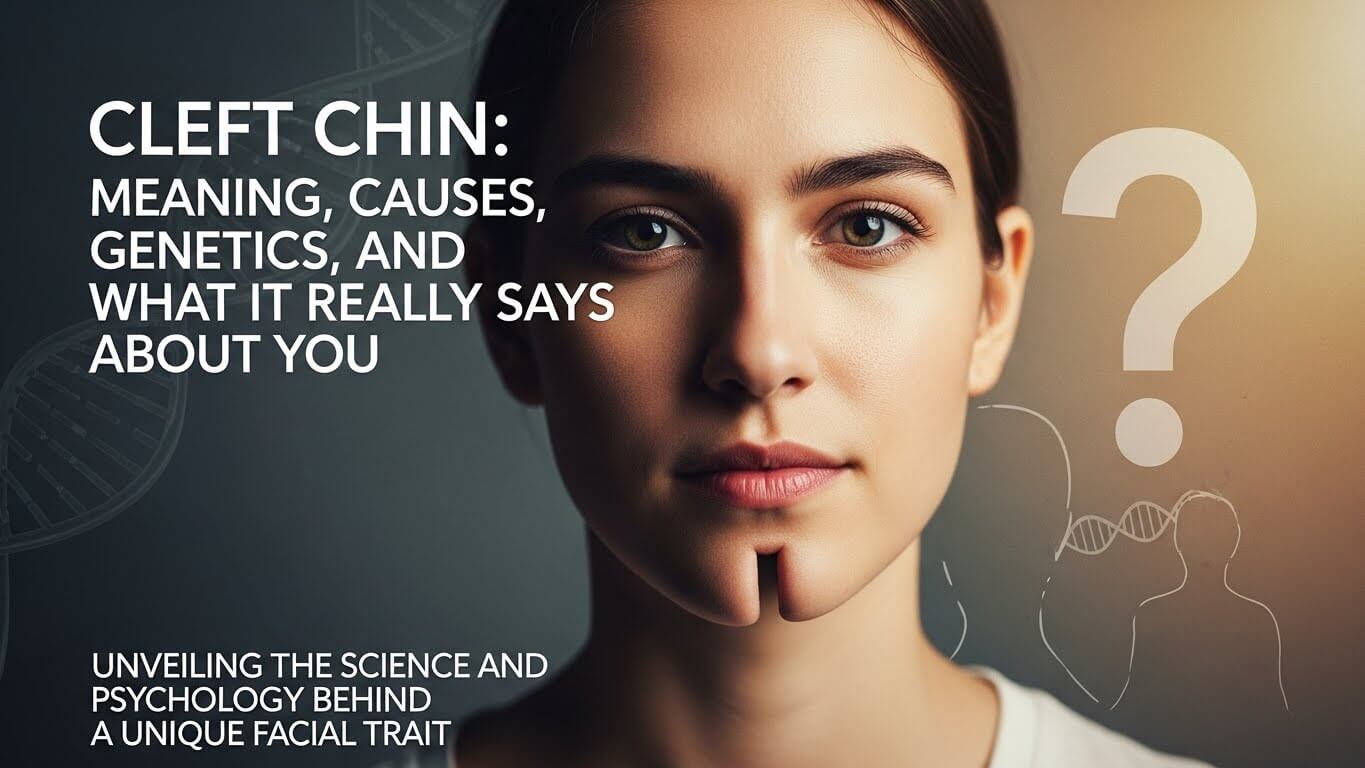
Yes, a cleft chin can change slightly as a person ages. Weight changes, muscle tone, and skin elasticity can make the cleft more or less noticeable.
In children, the cleft may be faint and become more visible in adulthood. Aging is a natural process, and facial features evolve.
Can You Get a Cleft Chin Naturally?
You cannot naturally develop a cleft chin if you were not born with one. Facial exercises, massages, or habits cannot create a true cleft chin.
The shape of the chin is determined by bone and muscle structure, which cannot be changed naturally in that way.
Cosmetic Procedures and Cleft Chin
Some people choose cosmetic procedures to create or reduce the appearance of a cleft chin. These may include fillers or surgery.
However, these choices are personal and optional. No one needs to change their chin to be accepted or confident.
Psychological Impact of a Cleft Chin
Most people with a cleft chin feel neutral or positive about it. For some, it becomes a signature feature that helps them feel unique.
Confidence often comes from self-acceptance, not from changing physical traits. Understanding that a cleft chin is normal can help people feel more comfortable in their own skin.
Myths About the Cleft Chin
There are many myths around cleft chins, such as them being linked to personality traits or behavior. These ideas have no scientific basis.
A cleft chin does not determine intelligence, strength, or character. It is simply a facial feature, nothing more.
Why the Cleft Chin Is More Common Than You Think

Once you start noticing cleft chins, you will see them everywhere. Many people have subtle ones that are easy to miss.
Because it is so common, the cleft chin should be seen as a normal part of human appearance, not something unusual.
Embracing Natural Facial Features
The cleft chin reminds us that faces do not need to be perfect to be beautiful. Natural variation is what makes people interesting.
Accepting your natural features can build confidence and self-respect. What makes you different often makes you memorable.
Final Thoughts
The cleft chin is a harmless, genetic facial trait that adds character and uniqueness. It has no impact on health and does not define a person’s worth or ability. Whether deep or subtle, it is simply one of many ways humans differ from each other.
Understanding the cleft chin helps remove unnecessary worry and replace it with acceptance and clarity.